Wireframing
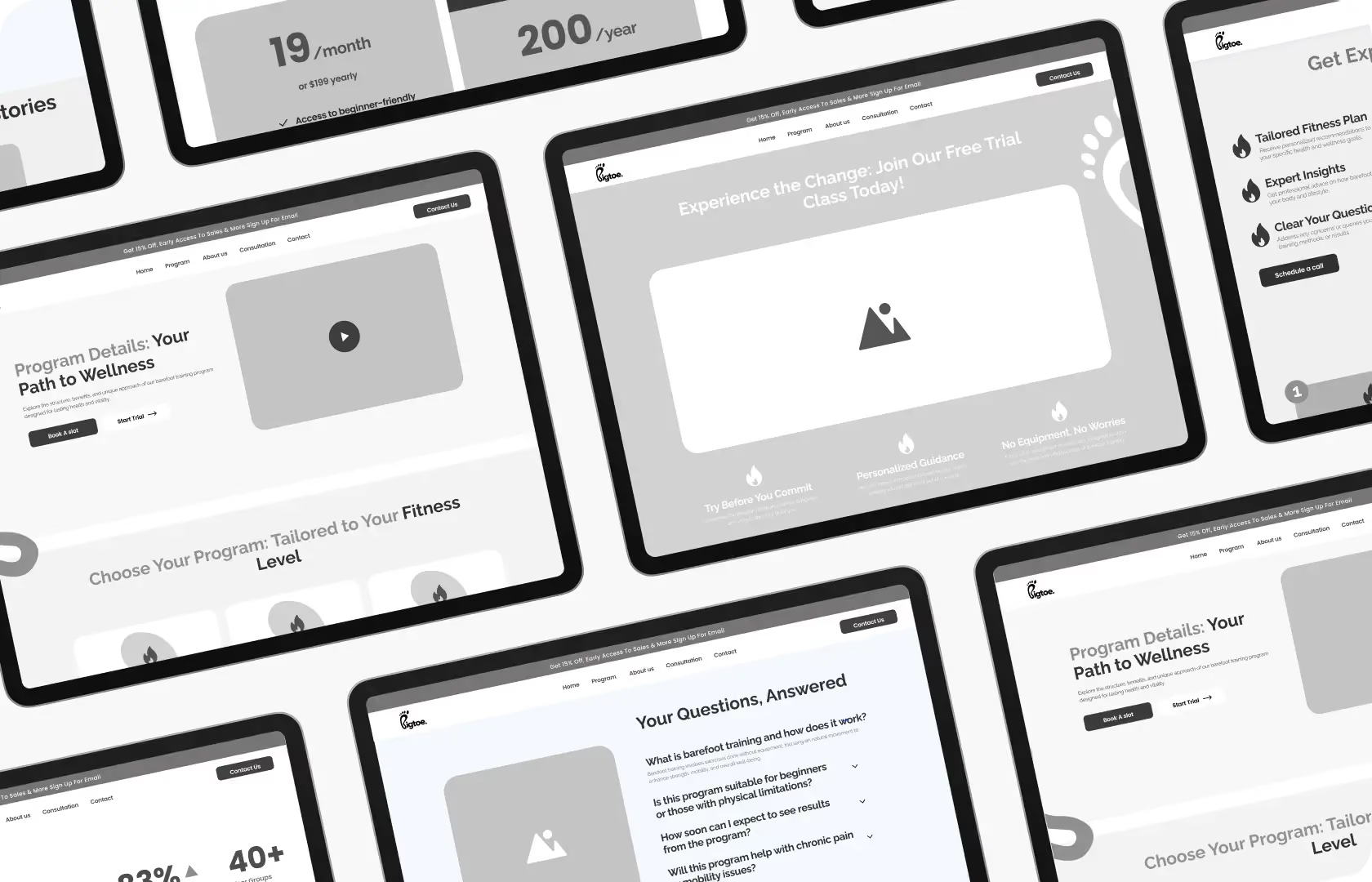
Wireframing is where a website actually starts taking shape. Long before colours, fonts, animations, or visual styles come into play, wireframes define how the site works, how information is prioritised, and how a user moves through it.
At this stage, we are answering very fundamental questions about the website, such as:
- What does the user see first when they land on a page?
- What information needs to appear above the fold, and what can wait?
- What is the single most important action we want the user to take on this page?
- What should come next if the user scrolls, clicks, or returns later?
Wireframes strip away visual distractions so that decisions are made purely on logic, behaviour, and intent. They help everyone focus on structure instead of taste. When wireframes are done well, they make visual design faster, cleaner, and far more effective. When they are skipped or rushed, design becomes subjective, feedback becomes messy, and changes later become expensive. In simple terms, wireframing is where we decide what the website should do before deciding how it should look.
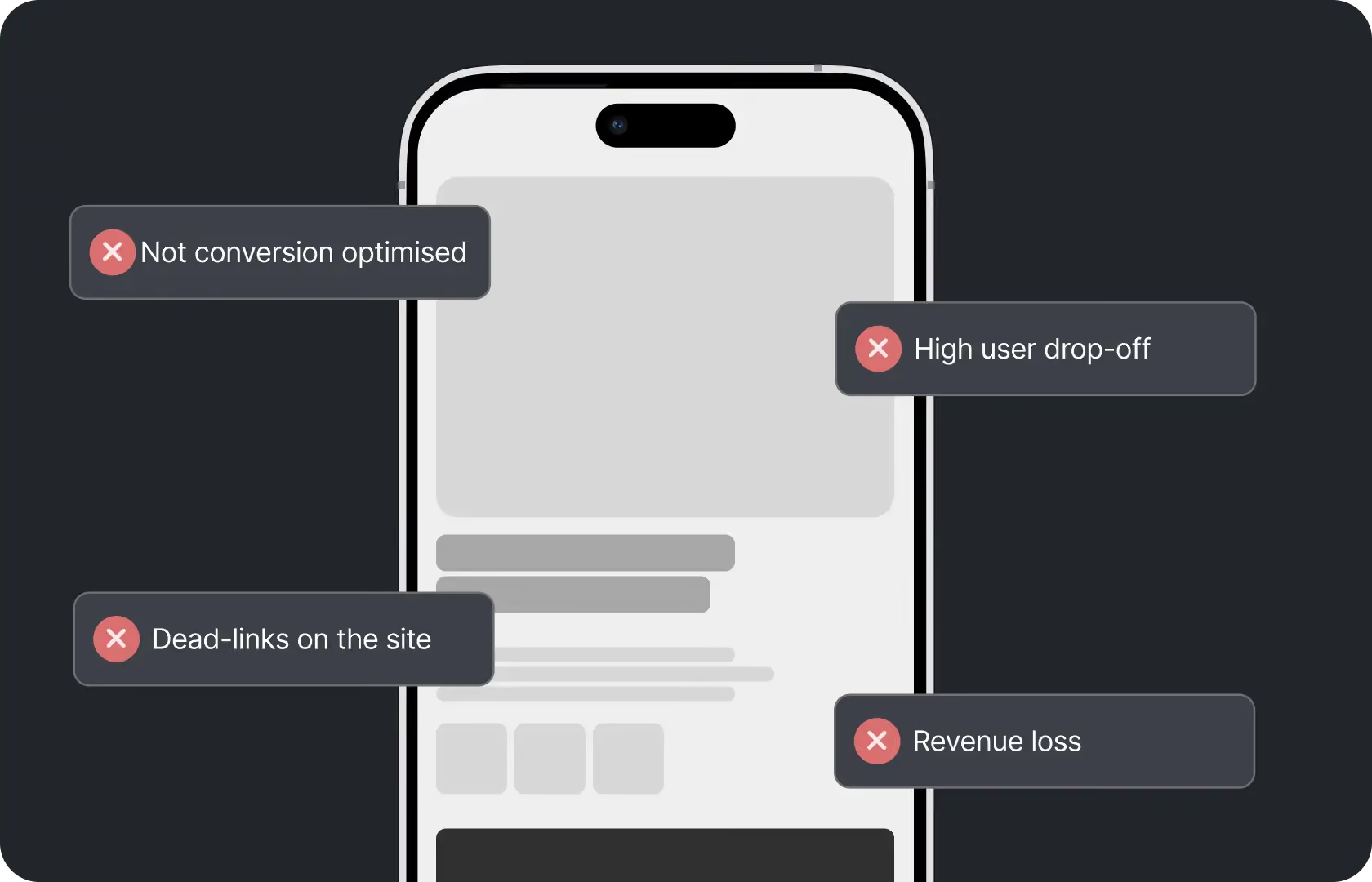
- Jumping straight into visual design and trying to “fix” structure later
- Creating wireframes that are either too rough to be useful or so detailed they slow everything down
- Treating wireframes as optional instead of foundational
- Designing layouts without tying sections to real business outcomes like sales or enquiries
- Moving forward without proper stakeholder alignment, leading to major revisions at the design stage
These mistakes usually don’t show up immediately. They surface during design reviews, development, or even after launch, when fixing them costs significantly more time and money.

- We use wireframes to lock down structure, flow, and intent before any visual design begins
- We focus on content order, user actions, and decision-making, not aesthetics
- Every section in a wireframe has a reason to exist, whether it’s building trust, answering objections, or pushing action
- We validate wireframes internally to ensure they work across different devices and user scenarios
- We use wireframes as an alignment tool, so everyone agrees on what the website is meant to do before it’s designed
At Suplex, wireframing is where the hard thinking happens. It’s how we reduce guesswork, avoid unnecessary revisions, and ensure that design and development are built on a solid, well-thought-out foundation.

Body tex comes here. Body tex comes here. Body tex comes here. Body tex comes here. Body tex comes here. Body tex comes here. Body tex comes here. Body tex comes here. Body tex comes here. Body tex comes here. Body tex comes here. Body tex comes here.
Body tex comes here. Body tex comes here. Body tex comes here. Body tex comes here. Body tex comes here. Body tex comes here. Body tex comes here. Body tex comes here. Body tex comes here. Body tex comes here. Body tex comes here. Body tex comes here.

Frequently Asked Questions
Why is wireframing necessary before visual design begins?
Wireframing is where the experience gets solved before it gets styled. It defines structure, hierarchy, and behaviour so everyone is aligned on what each screen needs to do before visual choices enter the picture. Skipping this step usually means discovering structural problems much later, when changes are slower and more expensive.
Teams at Google rely heavily on wireframes to pressure-test layout and interaction before moving into UI. At Suplex, we usually spend two to three weeks creating and refining wireframes so the foundation is solid. If you want to avoid costly redesigns later, having a conversation with our experts at Suplex can help you lock the right structure early.
What decisions should be finalised at the wireframing stage?
The wireframing stage is where core experience decisions should be locked. That includes layout hierarchy, what content appears where, what gets priority, and how users move from one step to the next. Once these are finalised, visual design becomes a layer on top, not a problem-solving exercise. Airbnb finalises content structure and layout logic during wireframing, so UI work is focused and efficient. At Suplex, we usually spend around two weeks aligning and locking these decisions with stakeholders. If you want teams aligned early and fewer surprises later, talking with our experts at Suplex can help set that foundation.
How detailed should wireframes be to stay useful without slowing the process?
Wireframes should focus on function; they need to be detailed enough to explain layout, hierarchy, interactions, and behaviour, but not so detailed that teams start debating colours, fonts, or visual polish. The goal is to make flows and structure obvious, so design and development can move forward with confidence.
Companies like Stripe rely on functional wireframes that prioritise usability over visual detail, which helps them move fast without cutting corners. At Suplex, we usually spend around two weeks finding the right balance between clarity and speed. If you want wireframes that guide execution without slowing things down, having a word with our experts at Suplex can help set that approach.
What problems arise when wireframing is skipped or rushed?
When wireframing is skipped or rushed, teams end up solving structural problems during visual design or development, which is the most expensive moment to do it. This usually leads to misalignment between stakeholders, repeated rework, and inconsistent user experience across screens. Small structural mistakes quietly turn into big product issues.
Companies like Facebook rely heavily on wireframes to catch UX problems early, before they scale across a product. At Suplex, we often spend one to two weeks fixing rushed foundations so projects can move forward cleanly. If you want to avoid costly rework later, speaking with our experts at Suplex can help you slow down at the right stage.
How do wireframes help align teams before design and development start?
Wireframes act as a shared blueprint that everyone can react to and align on before visual design or development begins. They make structure, priorities, and flows visible in a simple way, which reduces assumptions and conflicting interpretations across teams. Instead of debating opinions, stakeholders can discuss concrete screens and journeys. Products like Notion use wireframes to align product, design, and engineering early, so execution is smoother later. At Suplex, we usually spend one to two weeks using wireframes as an alignment tool across teams. If you want everyone moving in the same direction before building starts, having a word with our experts at Suplex can help set that up.
Let’s Make It Happen
Shopify Success Stories
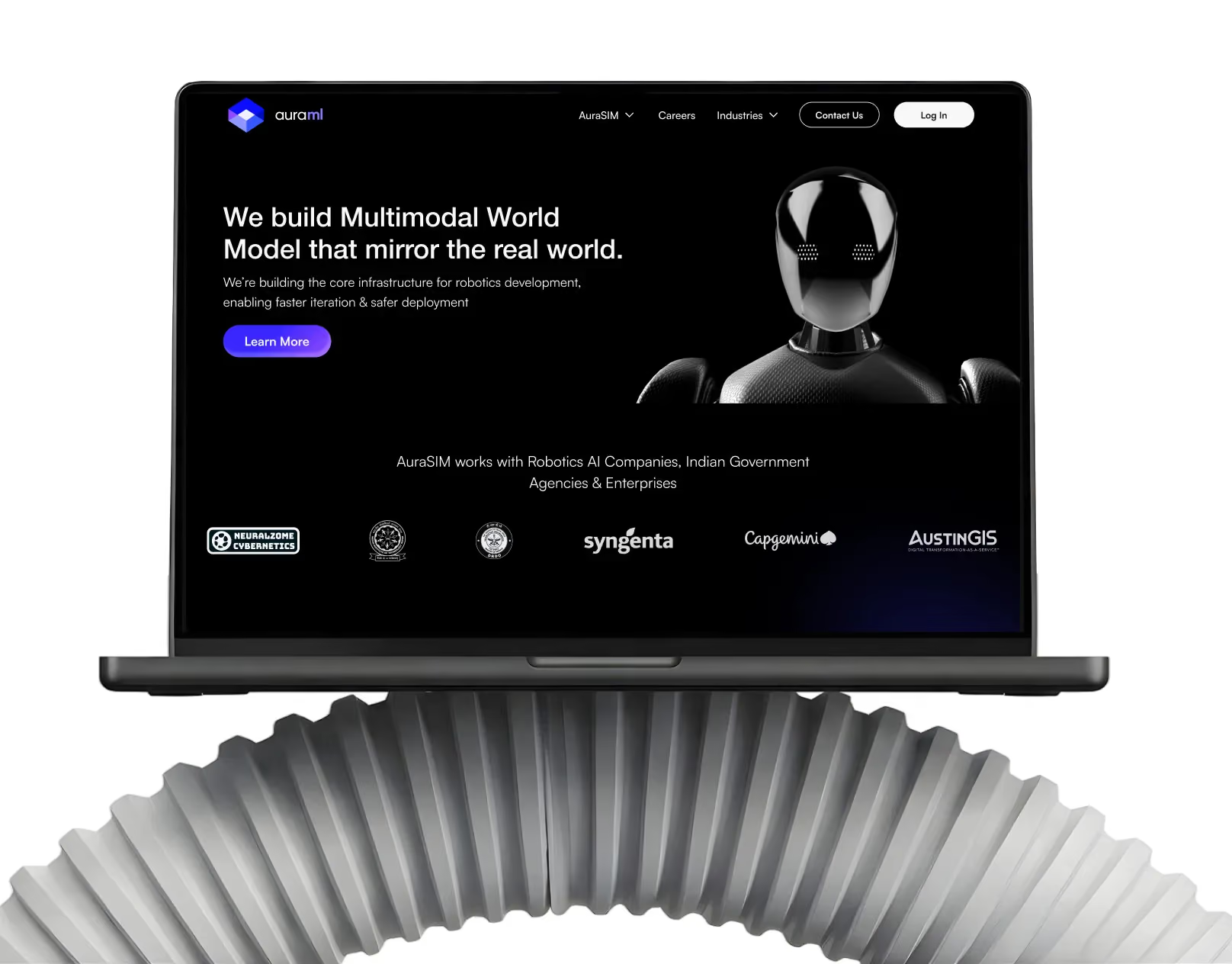
AuraML
How Suplex helped AuraSIM shift from a simulation tool to the brand that makes physical AI feel ready for the real world.

Tea Culture of the World
How Suplex made 120 teas from across the world feel like a discovery rather than a decision.

Great Lakes
How Suplex built a full stack website for a Midwest tequila brand with a real production story.
Why Suplex?
World Class Aesthetics
.webp)
Profitable E-Commerce
.webp)
Build A Brand
.webp)
Build Your D2C Business The Right Way
Build It With Suplex.


