Wordpress
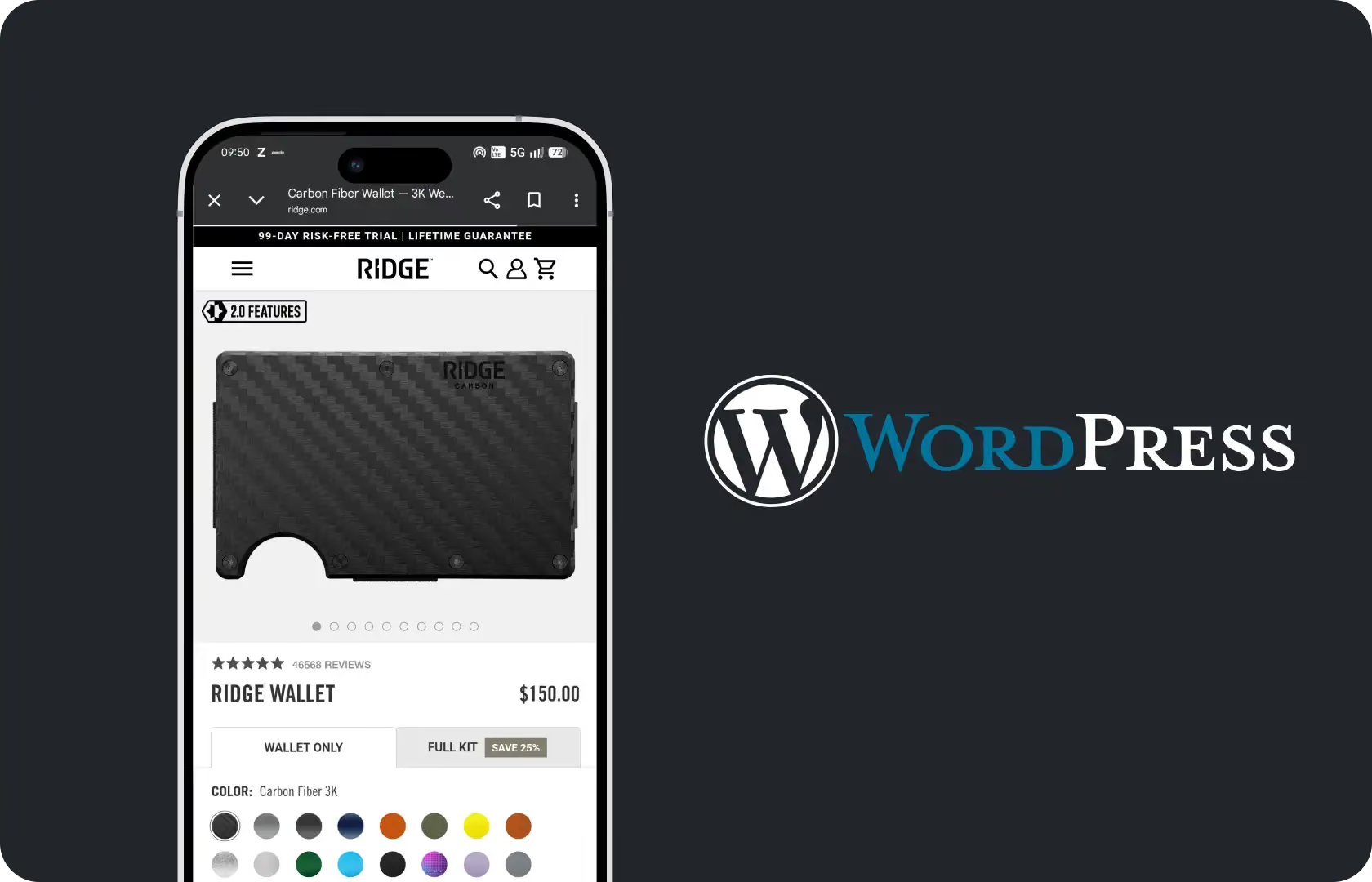
WordPress Development in Web Development
WordPress powers 43 percent of all websites. That statistic gets cited constantly. What it does not tell you is whether WordPress is the right platform for your specific brand, your specific product, and the team that will be managing it after launch.
For some D2C brands, it absolutely is. A brand that publishes substantial editorial content alongside its commerce, a food brand with a recipe library, a fashion brand with a lookbook and editorial section, that is central to how the brand communicates, these are the brands where WordPress genuinely earns its place. The CMS depth, the content flexibility, and the SEO infrastructure that WordPress provides are commercially valuable for brands that actually use them.
For brands that just need a D2C store, WordPress is usually not the right answer. Shopify handles commerce better. The technical overhead of running WordPress is higher. At Suplex Design, our WordPress recommendation starts with an honest assessment of whether the platform fits. Not with an assumption that it does.
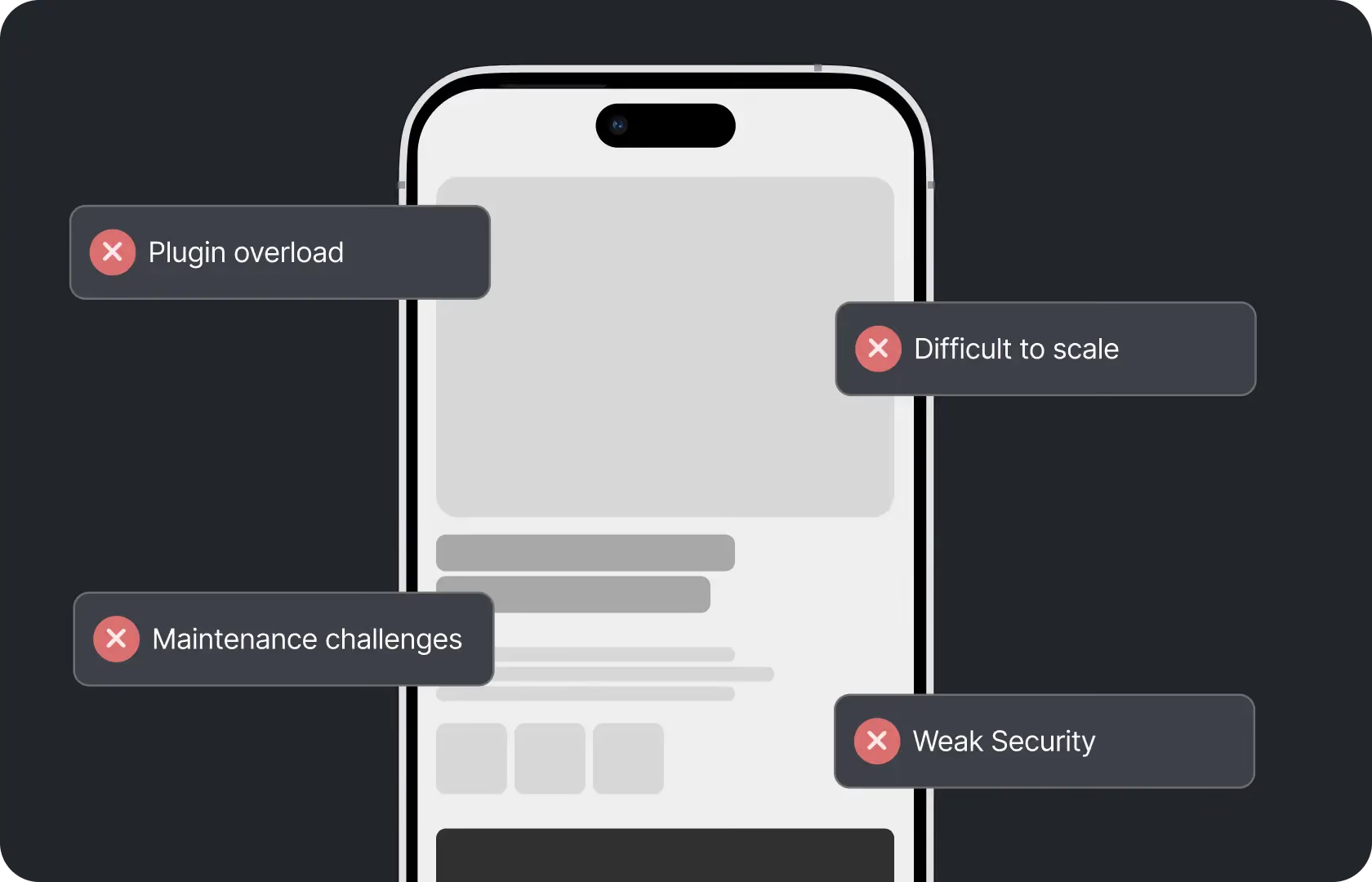
What WordPress Development at Suplex Design Covers
Custom theme development. Not theme marketplace purchases dressed up with a child theme. Proper custom themes built for the specific brand with a clean, maintainable codebase. WooCommerce integration for brands that need commerce on top of WordPress. Multi-currency configuration. Payment gateway setup for the relevant markets. Subscription commerce for brands with a recurring revenue model. Variable product configurations for brands with complex catalogues.
Advanced Custom Fields and custom post types for brands that need structured content beyond what WordPress's default editor handles. Gutenberg block development for brands that want a block-based editing experience without relying on third-party page builders. REST API and WPGraphQL integration for headless WordPress configurations where the editorial backend needs to serve content to a faster frontend.
And performance and security hardening, because a WordPress site that has not been optimised and secured is a liability rather than an asset.
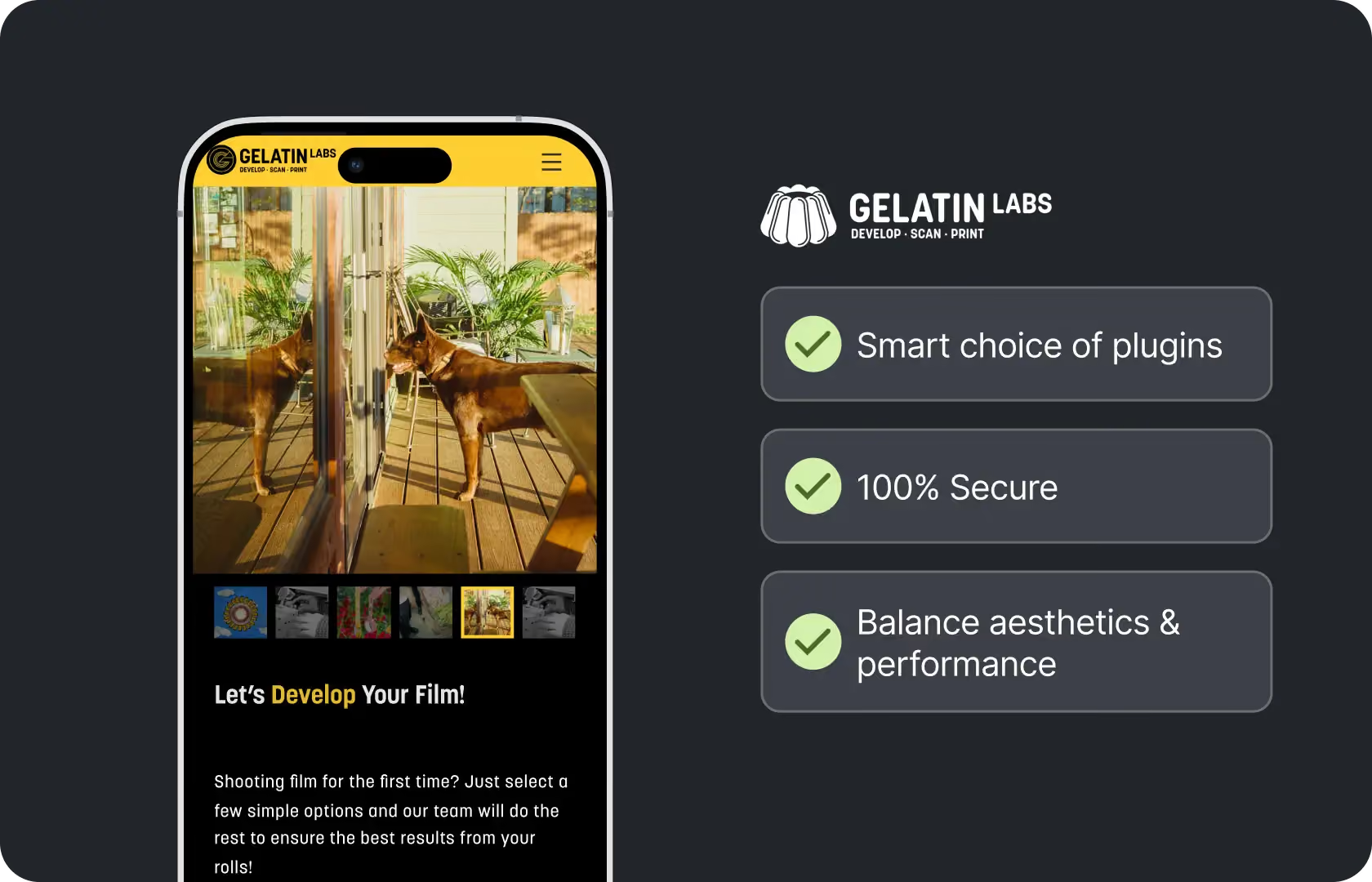
How Suplex Design Approaches WordPress Development
Content architecture before anything else. WordPress gives teams enormous flexibility in how content is structured and managed. Without a content architecture that maps to the brand's actual editorial model, that flexibility becomes complexity rather than capability.
Custom Theme Development
The theme marketplace is not where a serious D2C brand should be building its digital presence. Paid themes on ThemeForest or similar platforms carry inherited code, unused features, and design patterns built for a generic audience rather than the specific brand. The result is a site that looks like a template regardless of how much it has been customised, because the underlying structure is the same as thousands of other sites using the same theme.
At Suplex Design, custom WordPress themes are built from a clean starter theme, with a component architecture that reflects the design system and the content model rather than a generic theme skeleton. The theme is built for the specific pages and content types the brand needs, nothing more. This produces a leaner codebase, better performance, and a site that feels like the brand rather than a WordPress install.
We build with the block editor in mind. Either custom Gutenberg blocks for teams that want a block-based editing experience without plugin dependency, or Advanced Custom Fields with Flexible Content for teams that need more structured editorial control than the block editor offers. The choice depends on the editorial workflow and the content model, which we establish during the discovery phase before development begins.
WooCommerce Development
WooCommerce is the right commerce layer for a specific kind of WordPress site. A brand that needs deep editorial content integration with commerce, where products appear within editorial articles, where the content and the catalogue are genuinely intertwined, is the canonical case.
At Suplex Design, WooCommerce development covers the full setup: product catalogue configuration, payment gateway integration for the relevant markets, shipping logic, tax configuration, and the custom extensions that most WooCommerce sites need beyond the default feature set. We also address the performance implications of WooCommerce directly. A WooCommerce site that has not been carefully optimised tends to be slow, and slow e-commerce sites lose conversions regardless of how good the content is.
For brands with subscription products, we integrate WooCommerce Subscriptions or a comparable plugin and configure the subscription logic to match the brand's specific billing model. For brands with variable products and complex catalogues, we configure the product data architecture to make management straightforward for the internal team rather than something that requires developer involvement every time a new product variant is added.
Headless WordPress
Headless WordPress is worth understanding before dismissing or embracing it. In a headless setup, WordPress is used as the content management backend. It stores and manages content. But the frontend, the layer the browser renders, is a separate application, typically built with Next.js or Nuxt.js, that pulls content from WordPress via the REST API or WPGraphQL. The result is a frontend that is significantly faster than a traditional WordPress site, because it is a JavaScript application rather than a PHP-rendered page, with WordPress handling only the editorial function.
The trade-off is complexity. A headless WordPress setup requires more infrastructure, more development expertise, and more maintenance than a traditional site. The preview experience in the WordPress editor is also more complex to configure in a headless setup. For brands where the performance gains and the frontend flexibility justify those trade-offs, it is the right architecture. For brands that are choosing headless because it sounds impressive rather than because they have a specific need for it, the traditional architecture is usually the better choice.
Our team at Suplex Design has built headless WordPress integrations using WPGraphQL and Next.js for brands where the commerce complexity, the traffic scale, or the frontend design requirements genuinely warranted it. We will tell you honestly whether your brand is in that category.
Performance and Security
WordPress sites are frequently slow and frequently targeted by malicious actors. Neither of these is inevitable. Both require deliberate attention. Performance on WordPress comes down to four things. A clean, lean codebase without plugin bloat. A capable hosting environment on a managed WordPress host rather than shared hosting. Proper caching configuration. And image optimisation. At Suplex Design, all four are addressed as part of the development engagement rather than as an afterthought or a client responsibility.
Security on WordPress requires keeping the core, themes, and plugins updated, limiting user permissions to what each role actually needs, using two-factor authentication for admin access, and monitoring for unusual activity. A WordPress site that has not been maintained is a WordPress site waiting to be compromised. We establish the security baseline as part of the build and document the maintenance process so the internal team understands what needs to happen after we hand over.

Tools and Technology
Suplex Design builds custom WordPress themes using PHP, HTML, CSS, and JavaScript with a clean starter theme base. Commerce is handled with WooCommerce and relevant extensions. Content fields and flexible layouts are built with Advanced Custom Fields Pro. Block-based editing uses custom Gutenberg blocks where appropriate. Headless configurations use WPGraphQL and Next.js. Hosting recommendations are typically managed WordPress hosts like Kinsta, WP Engine, or Pressable depending on the project requirements and budget. Version control is through GitHub and deployment through CI/CD pipelines where the project scale justifies them.
Is WordPress the Right Platform for You?
The honest answer most often turns out to be no for pure commerce brands. But for some brands, it is clearly right. WordPress is the right fit when content is genuinely central to the brand's growth model and the content needs more structural flexibility than a Shopify blog provides. When the brand has existing WordPress infrastructure and migrating away would cost more than it saves. When the specific WooCommerce extension ecosystem provides something the brand needs that no Shopify equivalent handles as well. Or when the technical team managing the site has strong WordPress expertise and limited Shopify experience.
If the primary requirement is a D2C e-commerce store and content is secondary, Shopify is almost certainly the better choice. If you are not sure, that is exactly the conversation the platform consultation service is designed for.
Common Mistakes in WordPress Development
Consistent. And consistently avoidable.
- Buying a premium theme from a marketplace instead of building a custom one, producing a site that looks like a template regardless of how much time goes into customising it, because the underlying structure was never designed for the specific brand.
- Installing plugins for every requirement without auditing the combined performance and security impact, producing sites that are slow, fragile, and full of code that has not been updated in two years.
- Choosing WordPress because it is familiar rather than because it is the right fit, and then spending the next two years managing the overhead of a platform that is more complex than the brand's requirements actually needed.
- Deploying on shared hosting to save money on infrastructure, and discovering that shared hosting cannot handle WooCommerce under real traffic without the site becoming unacceptably slow.
- Not establishing a maintenance process for updates, security patches, and backups, leaving the site vulnerable to known vulnerabilities that are trivial to exploit once the relevant update has been skipped a few times.
At Suplex Design, the development process and handover documentation are specifically designed to prevent these from accumulating after we hand the site over.
Why WordPress Development Quality Matters for D2C Brands
For the brands where WordPress genuinely fits, getting the implementation right matters for the same reasons it matters on any platform. A slow site loses conversions. A site that requires developer involvement for editorial updates creates friction that slows the brand's content production. A site built on a marketplace theme that was not designed for the brand's specific content model will accumulate workarounds over time that compound into a rebuild.
WordPress done properly, with a custom theme built for the content model, the right plugin set managed carefully, the right hosting infrastructure, and a clear maintenance process, is a genuinely powerful platform for the brands it suits. The CMS flexibility is real. The SEO infrastructure is mature. The ecosystem of integrations is deep. These advantages are only available to brands whose implementation was built to take advantage of them.
How Suplex Design Approaches WordPress Development for Your Brand
Every WordPress project at Suplex Design starts with a platform assessment to confirm that WordPress is the right choice before any development begins. If it is, the build follows: custom theme from a clean base, content architecture that maps to the editorial model, WooCommerce or headless configuration as required, performance hardening, and a handover with documentation and maintenance guidance.
Content-led brand that genuinely needs WordPress depth? Existing WordPress site that needs a rebuild or a performance overhaul? Not sure whether WordPress or Shopify is the right call? Get in touch with Suplex Design.

Frequently Asked Questions
What WordPress development services does Suplex Design offer?
Custom theme development from a clean base, WooCommerce integration and configuration, Advanced Custom Fields and custom post type development, custom Gutenberg blocks, headless WordPress with WPGraphQL and Next.js, performance optimisation, security hardening, and post-launch maintenance support. We do not use marketplace themes or generic starter themes for client projects.
How much does WordPress development cost at Suplex Design?
A custom WordPress theme with WooCommerce for a straightforward D2C store typically starts from around $2,000 at Suplex Design. More complex projects involving headless configuration, large catalogues, subscription commerce, or multi-market setup cost more. We scope clearly before starting so the cost reflects the actual requirements.
How long does a WordPress development project take?
A focused custom theme build with WooCommerce typically takes five to eight weeks from discovery to launch. Headless configurations and projects with more complex content models or catalogue requirements take longer. We confirm the timeline during scoping so the development schedule is clear before work begins.
Should we use WordPress or Shopify for our D2C store?
Honestly, it depends on what your brand actually needs. If commerce is the primary function and content is secondary, Shopify is almost certainly the better choice. If editorial content is genuinely central to the brand's growth model and you need CMS depth that Shopify's blog cannot provide, WordPress with WooCommerce makes more sense. We can help you work through this properly as part of our platform consultation service if the decision is not clear.
Do you provide ongoing support after the WordPress site is launched?
Yes, absolutely. Suplex Design provides ongoing WordPress support covering plugin and core updates, security monitoring, performance checks, content model changes, and feature development. WordPress sites that are not actively maintained degrade in performance and security over time. We offer ongoing support arrangements so that does not happen to sites we build.
Let’s Make It Happen
Shopify Success Stories
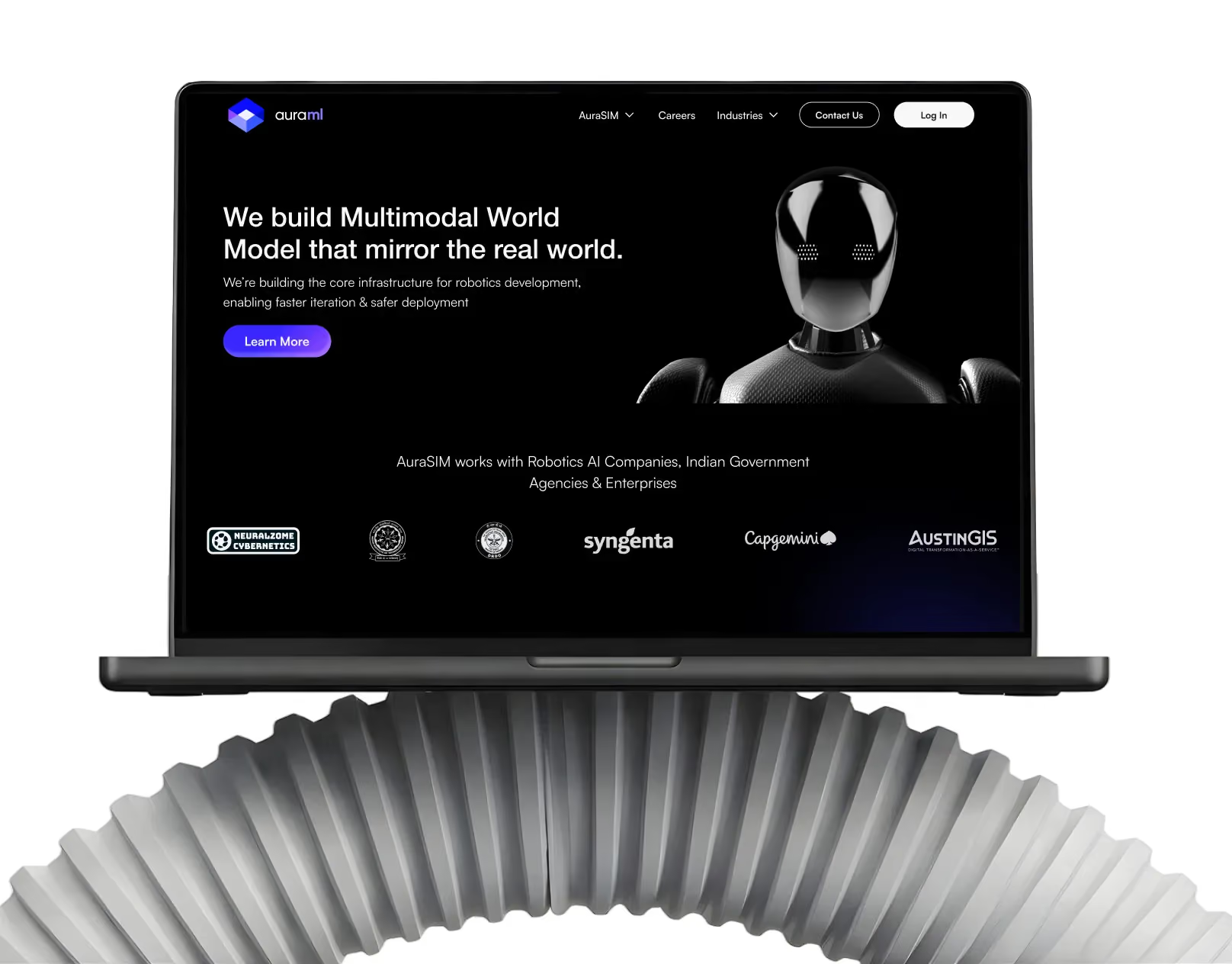
AuraML
How Suplex helped AuraSIM shift from a simulation tool to the brand that makes physical AI feel ready for the real world.

Tea Culture of the World
How Suplex made 120 teas from across the world feel like a discovery rather than a decision.

Great Lakes
How Suplex built a full stack website for a Midwest tequila brand with a real production story.
Why Suplex?
World Class Aesthetics
.webp)
Profitable E-Commerce
.webp)
Build A Brand
.webp)
Build Your D2C Business The Right Way
Build It With Suplex.


