Ecommerce Website Features for UAE Luxury Beauty Brands: What to Build, What to Leave Out

Ecommerce Website Features for UAE Luxury Beauty Brands: What to Build, What to Leave Out
Luxury beauty ecommerce websites must recreate the boutique experience, communicate product value, and justify premium pricing without constant discounts.
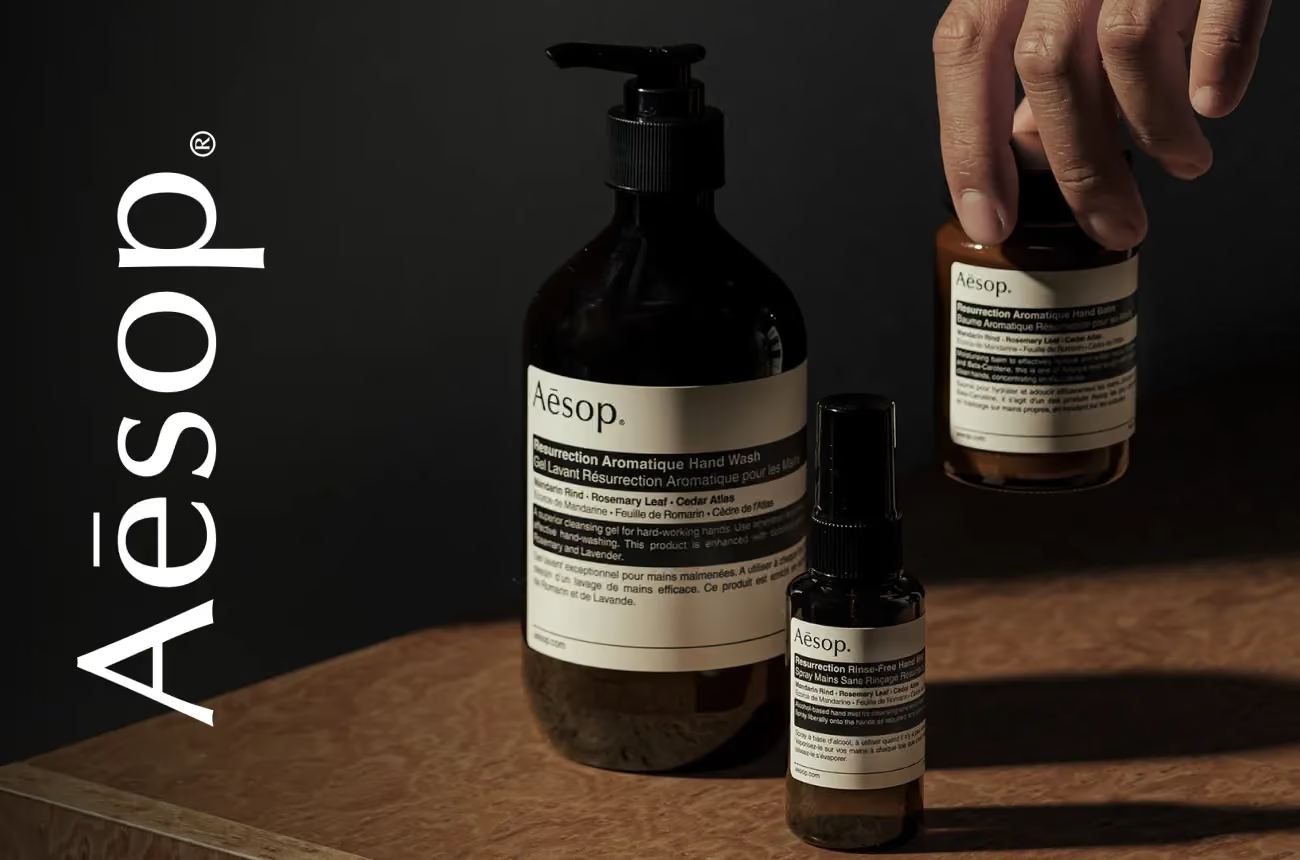
Our audit of Aesop scored its website 4 out of 5, praising its editorial homepage but identifying gaps in product-page information and reviews for a USD 179 serum.
With deep expertise in building ecommerce websites in the UAE, we explain seven essential feature layers, key audit insights, UAE-specific requirements and features luxury beauty brands should avoid.
How Luxury Beauty Websites Differ From Mass Beauty Sites
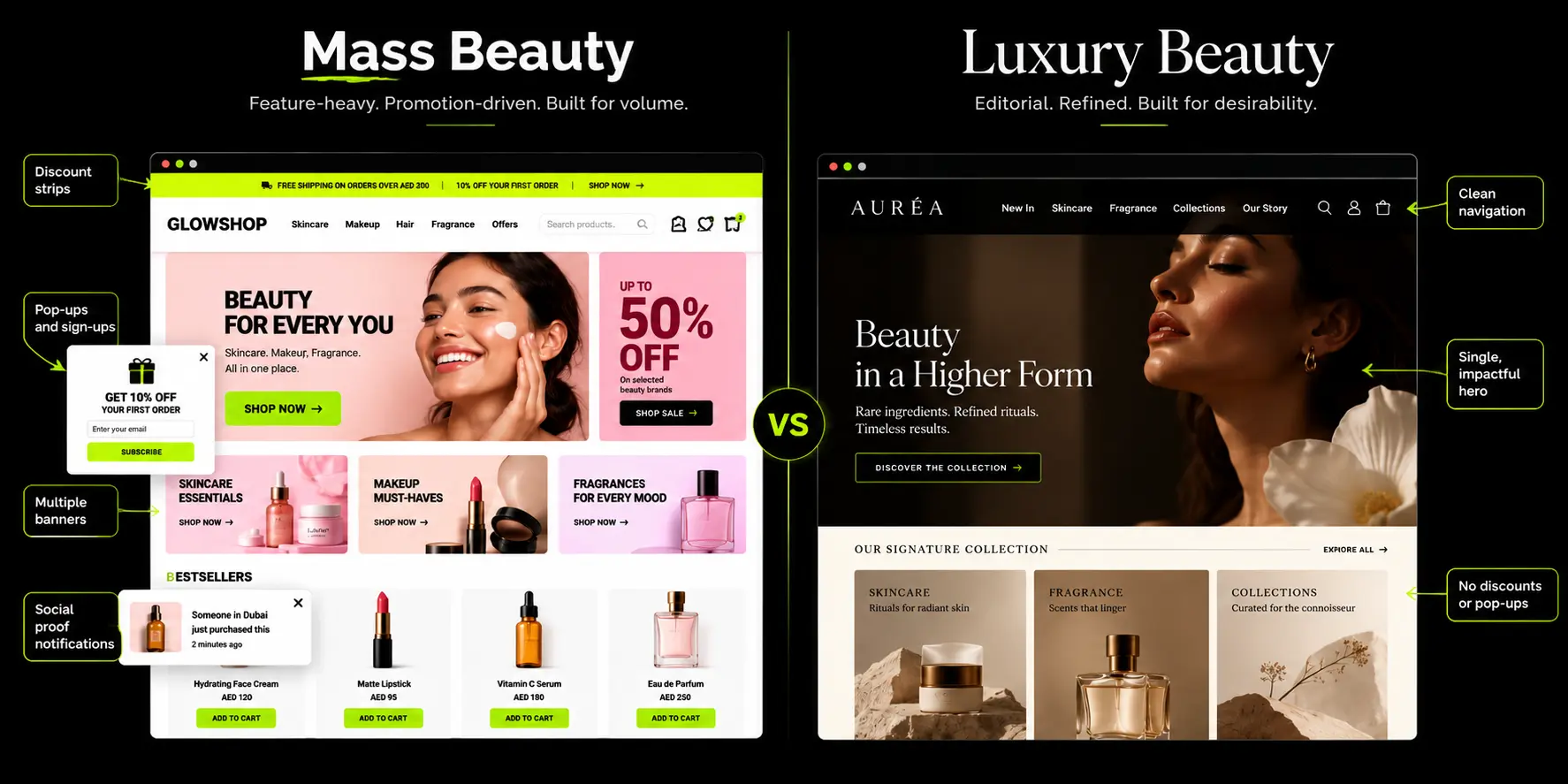
Mass beauty websites prioritise sales volume, frequent promotions, and quick purchasing decisions. Luxury beauty websites take a different approach, focusing on communicating product value, building trust and creating an experience that justifies premium pricing without relying on discounts.
The distinction becomes clear when comparing how each type of website handles its core features.
These differences should shape feature selection during a luxury beauty website build or redesign. Promotional pop-ups might increase short-term sales on mass-market stores, but repeated interruptions can undermine the calm, considered experience expected from a prestige brand.
Complimentary samples, meanwhile, introduce customers to other products without making discounts the primary purchase incentive.
Performance deserves particular attention. Luxury beauty websites often rely on high-resolution photography, campaign videos, and editorial storytelling.
These assets must load efficiently without compromising visual quality. A slow page or poorly rendered image can weaken the impression of craftsmanship the brand is trying to establish.
Choosing the right technology is equally important. The platform must support premium design, personalised shopping experiences and the operational requirements of luxury retail.
Customisation, scalability and integration capabilities all influence which solution fits best when evaluating ecommerce platforms for luxury brands.
What Our Audits of Prestige Beauty Websites Reveal
Suplex conducts independent UX/UI and performance audits of leading beauty websites to identify what works, what falls short, and what luxury brands can learn.
These are reviews of public websites, not client projects; none of the audited brands is a Suplex client.
Aesop (4/5): Editorial Excellence, Thin Justification
Aesop creates a compelling visual experience, but its product pages leave room to strengthen purchase confidence.
Our Aesop website audit praised the editorial hero featuring the Geranium Leaf range, the removal of three stacked landing overlays, a consistent mobile experience and a working "Complete the Routine" cross-sell.
However, the product page provides limited explanation of who a product suits, which concerns it addresses, and why a serum costs USD 179.
The Resolute Facial Concentrate displayed a 3.0-star rating based on only a handful of reviews. Some product images appeared pixelated at full size, and a typo ("perrennial") appeared in the homepage hero.
The takeaway: Editorial storytelling earns attention, but product pages must support premium prices with clear benefits, ingredient information, efficacy evidence, and credible reviews.
Fenty Beauty (5/5): Prestige Without Friction
Suplex’s Fenty Beauty audit awarded the site 5/5 for combining strong brand positioning with practical decision support.
Key strengths include shade counts on collection cards, a 50-swatch grid with depth filters and written undertone descriptions, and reviews filterable by skin tone, skin type, age, and country.
A scroll-triggered offer also appears after engagement rather than interrupting the landing experience.
Useful information does not diminish luxury. It helps customers make confident choices while preserving the brand experience.
Huda Beauty (4/5) and Kayali (3.5/5): Strong Features, Slower Performance
Two Dubai-founded brands demonstrate how performance can undermine otherwise compelling ecommerce experiences.
Huda Beauty audit praised its "Get the Look" routines and ambassador programme. The site received a B performance grade, with a reported load time of approximately 2.5 seconds.
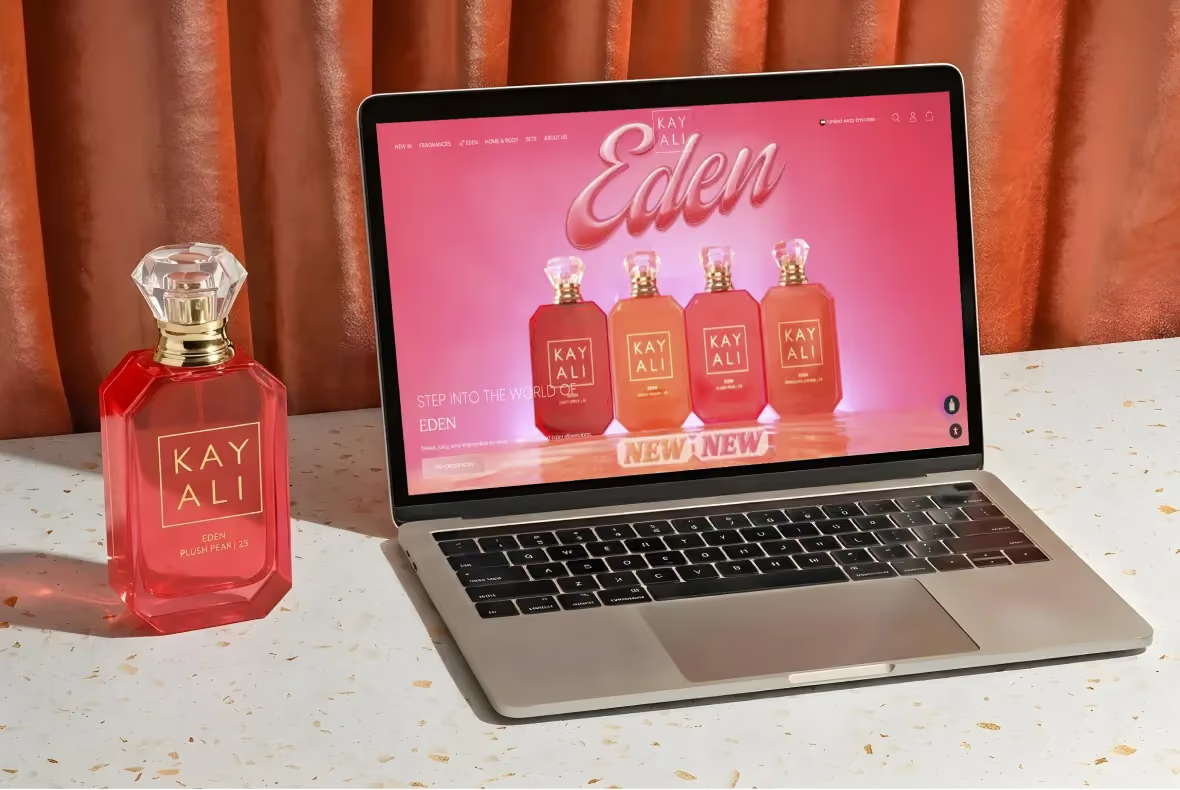
The Kayali website audit highlighted its AI fragrance finder, broad size range, and fragrance-layering education. However, generic scent descriptions and a D performance grade, with a reported load time of approximately 4.49 seconds, weakened the experience.
Image-rich luxury websites must balance visual quality with loading speed. Performance is part of the brand experience, not merely a technical metric.
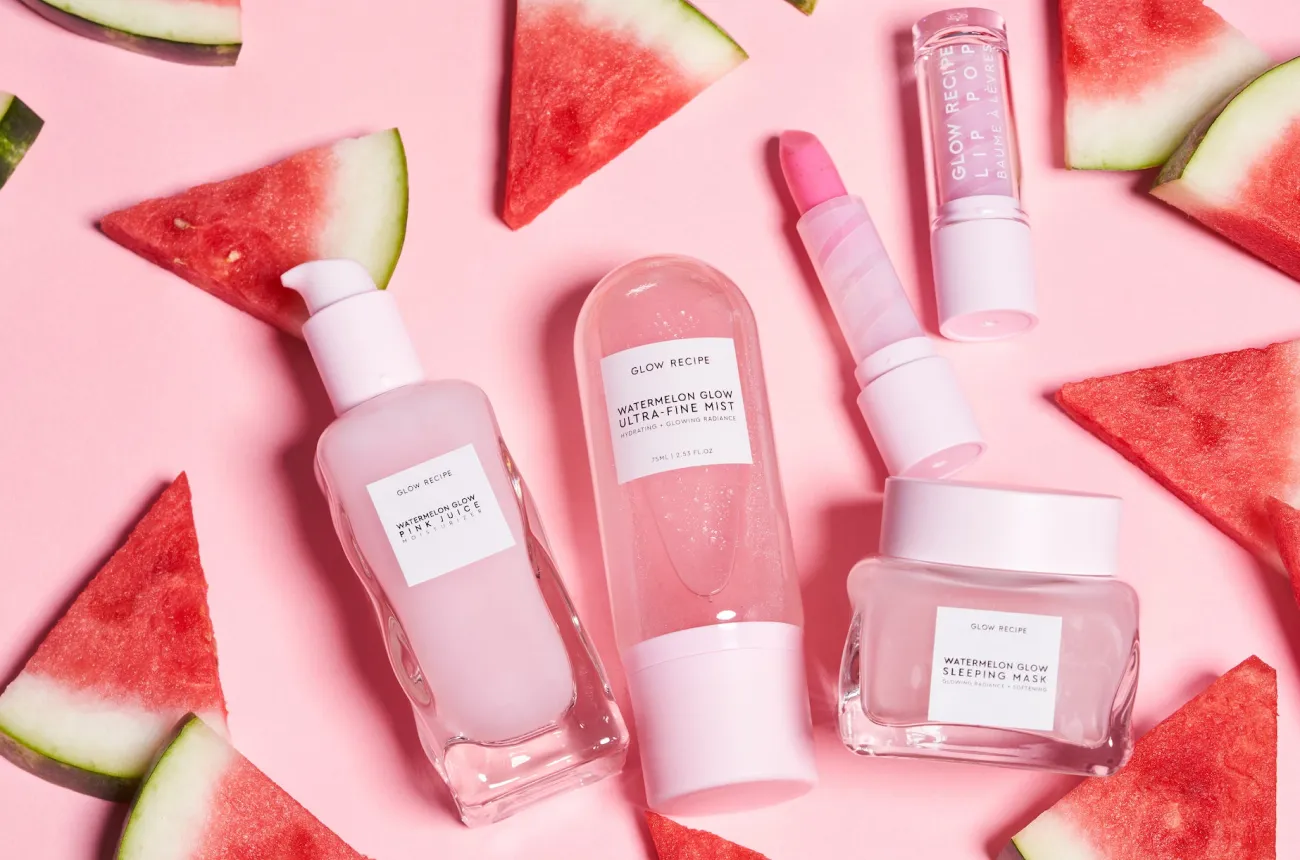
Glow Recipe audit identified another important detail: mixed USD and INR pricing on a single page. Currency inconsistencies can create confusion and undermine customer trust, making accurate localisation essential for international beauty brands.

The Luxury Beauty Feature Checklist
Seven feature layers define what a luxury beauty ecommerce website needs, from brand storytelling to technical performance.
Each layer should reinforce the premium experience while helping customers make confident purchase decisions.
1. Brand and Editorial Layer
The editorial layer communicates the brand's identity and distinguishes it from mass-market competitors.
☐ An editorial homepage balancing brand stories and product discovery.
☐ Collection storytelling around ingredient origins, rituals, and founder perspectives.
☐ High-resolution imagery, texture close-ups, and on-skin photography across skin tones.
☐ Short videos demonstrating texture, application, and product rituals.
☐ A copy quality-assurance process to catch errors before publication.
The last point matters more than it might seem. Our Aesop website audit identified a typo in the homepage hero. Small errors can undermine the attention to detail customers expect from a premium brand.
2. Product Proof Layer: Justify the Price
Premium pricing requires convincing product information, not just beautiful photography.
☐ Ingredient explainers, including concentrations where relevant.
☐ Efficacy claims supported by study details and compliant with applicable regulations.
☐ Skin-type and concern-based guidance to help customers choose suitable products.
☐ Shade grids, scent profiles, and product-finder tools.
☐ Detailed reviews with photos and relevant customer attributes.
☐ Automated review requests after purchase.
A high-priced serum with few reviews asks customers to rely on brand reputation alone. Ingredient transparency, credible evidence, and customer feedback provide additional reasons to buy.
3. Service Layer: Bring the Counter Online
Luxury beauty customers often expect personalised guidance similar to what they receive in a boutique.
☐ Bookable virtual skin consultations.
☐ Concierge chat with trained advisors and WhatsApp support for Gulf markets.
☐ Boutique locators and in-store appointment booking.
☐ Post-purchase routine recommendations by email.
Automated support can handle straightforward questions, but complex product concerns should have a clear path to a human advisor.
4. Ritual and Gifting Layer
The unboxing experience should feel consistent with the product's price and positioning.
☐ Complimentary samples selected by customers at checkout.
☐ Gift wrapping, handwritten notes, and gift receipts without prices.
☐ Engraving or personalisation where available.
☐ Curated gift sets and discovery kits.
☐ Refill options where the product range supports them.
Substantiate sustainability claims about refillable products rather than relying on vague environmental promises.
5. Loyalty and Exclusivity Layer
Luxury loyalty should reward relationships and access rather than train customers to wait for discounts.
☐ Tiered memberships offering early access, exclusive events, and birthday gifts.
☐ Waitlists and pre-orders for limited editions.
☐ Private client recognition and personalised services for high-value customers.
6. Checkout and Delivery Layer
A seamless checkout protects the confidence built throughout the shopping journey.
☐ Trusted payment methods, including Apple Pay where supported.
☐ Discreet buy-now-pay-later options where appropriate.
☐ Same-day or scheduled delivery with premium packaging.
☐ Clear returns policies explaining how opened beauty products are handled.
☐ Localised checkout with consistent currency display for each market.
Glow Recipe website audit identified mixed USD and INR prices on the same page. Such inconsistencies create avoidable confusion and weaken customer trust.
7. Technical Excellence Layer
Technical quality supports the visual standards, accessibility, and reliability customers expect from luxury brands.
☐ Performance budgets established before design and development.
☐ An image pipeline that delivers sharp visuals across screen sizes.
☐ Accessibility standards covering contrast, readable typography, and alternative text.
☐ Structured product information, including ingredients, claims, and shades, that search engines and AI assistants can interpret.
Aesop audit also identified pixelated product imagery. For a visually driven brand, image quality and loading speed are not merely technical concerns; they are part of the brand experience.
What Luxury Beauty Websites Should Leave Out
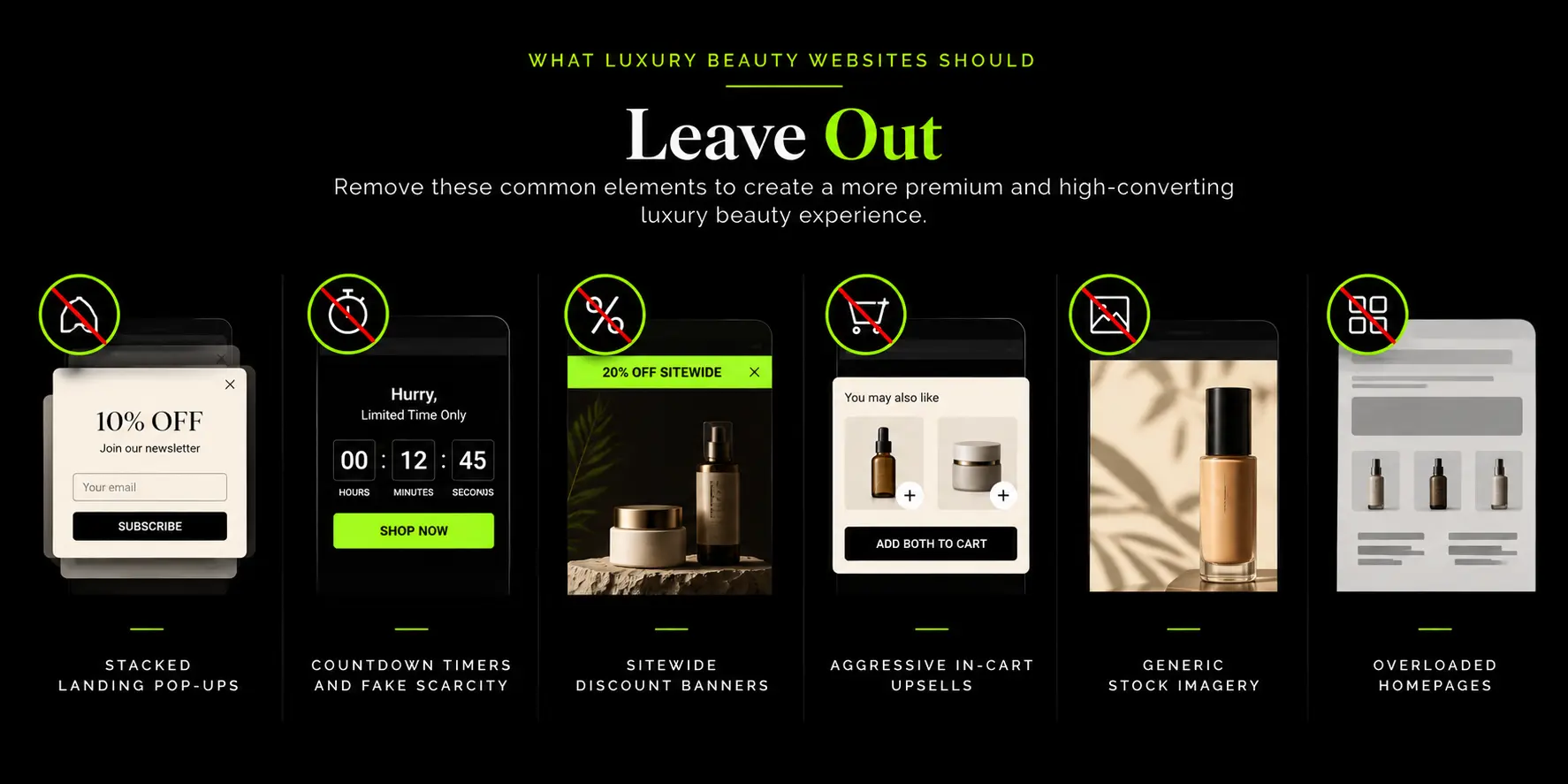
Most feature lists focus on what to add. Luxury beauty brands also need to identify which features undermine their positioning. Removing unnecessary interruptions, pressure tactics, and visual clutter can create a more considered shopping experience.
- Stacked Landing Pop-ups: Multiple overlays interrupt product discovery. Suplex’s audit on Aesop website audit identified three landing overlays, while Fenty Beauty delayed its promotional offer until visitors engage. Keep interruptions to a minimum so customers can explore without friction.
- Countdown Timers and Fake Scarcity:. Artificial urgency can undermine the exclusivity a luxury brand seeks to communicate. Genuine limited-edition waitlists and stock notifications offer useful alternatives without manufacturing pressure.
- Sitewide Discount Banners: Prominent percentage-off messaging can shift attention away from product quality, craftsmanship, and brand storytelling. Keep promotions discreet and prioritise the reasons customers should value the product.
- Aggressive in-Cart Upsell Carousels: Repeated sales prompts can make checkout feel transactional. Curated "Complete the Routine" recommendations offer a more relevant way to introduce complementary products.
- Generic Chatbots Replacing Trained Advisors: Automated support is useful for routine queries, but ingredient questions and personalised recommendations may require expert guidance. Provide a clear route to a trained advisor when needed.
- Heavy Third-Party Widgets: Unnecessary apps can slow page loading, introduce visual clutter, and disrupt the design. Evaluate each integration against its practical value, performance impact, and fit with the brand experience.
A useful test is to count everything that appears before a visitor reaches the product. If multiple pop-ups, promotional banners, and other interruptions compete for attention, simplify the experience.
Every element should help customers discover products, understand their value, or purchase with confidence.
Luxury Beauty Ecommerce in the UAE
Luxury beauty brands selling directly to UAE shoppers compete with retailers that set high expectations for delivery, returns, and customer service.
A premium website must meet those expectations while offering reasons to buy directly from the brand rather than through a marketplace.
Bloomingdale's UAE promotes benefits such as same-day delivery, free shipping, free returns, and cash on delivery on beauty gifts. Meanwhile, marketplaces such as Noon frequently use steep discounts to attract shoppers.
Luxury D2C brands can differentiate themselves through exclusive product sets, personalised engraving, complimentary samples, expert consultations, and loyalty privileges rather than matching marketplace discounts.
UAE-Specific Ecommerce Requirements
- Arabic and English Experiences: Both storefronts should maintain the same editorial quality, with professionally written Arabic copy that reflects the brand's voice and cultural context.
- Discreet BNPL Integration: Tabby and Tamara can support higher-value purchases through instalment payments. Present these options clearly without letting promotional widgets dominate the product page.
- WhatsApp Concierge: Offer shoppers a convenient way to ask about ingredients, product suitability, delivery, and orders, with trained advisors available for more complex enquiries.
- Seasonal Gifting: Build dedicated experiences for Ramadan, Eid, and UAE National Day, including gift sets, personalised packaging, and occasion-specific messages.
- Authenticity and Trust: Clearly communicate authorised retail status, product provenance, and available batch or authenticity information. Verified reviews and transparent sourcing can further reassure shoppers concerned about counterfeit products.
- Cosmetics Registration and Compliance: Brands must account for applicable UAE product registration, labelling, and advertising requirements.
Dubai Municipality's Montaji system is relevant to consumer product registration in Dubai; requirements should be verified for the specific product and market.
Getting these details right requires a website that combines premium design with regional expertise. Brands planning a luxury beauty storefront can explore beauty ecommerce website design in the UAE for guidance on creating an experience suited to the local market.
Building These Features: Platform and Prioritisation
The right platform supports the feature stack, but not every feature needs to launch on day one. Prioritise the essentials first, then expand as the store grows.
Platform Selection: Shopify Plus suits many premium and emerging luxury beauty brands, while enterprise platforms may be better suited to large, multi-region businesses with complex requirements. The choice depends on customisation, integrations, scalability, and operational needs.
Feature Prioritisation:
Launching with a focused set of well-executed features is more effective than introducing numerous tools that slow the website or complicate the shopping experience.
Editorial quality, product information, checkout reliability, and site performance should form the foundation before advanced features are added.
For implementation, Suplex offers Shopify Plus development and custom Shopify theme development. Brands experiencing slow loading times can also explore ecommerce performance optimisation to maintain a smooth, premium shopping experience as the feature set expands.
How Suplex Designs Luxury and Premium Beauty Websites
Suplex is a Dubai-based ecommerce agency working with premium brands across the UAE, India and beyond. Our beauty client work includes Celesti, a premium skincare brand built on Shopify in 2023.
The Celesti Project: Balancing Aesthetics and Functionality
The project translated Celesti's astrology-inspired identity into a calm, structured shopping experience.
- Brand Storytelling: Subtle celestial motifs preserve the brand's dreamy aesthetic.
- Product Pages: Clear ingredient and benefit information supports confident purchasing decisions.
- Visual Structure: Organised grids balance expressive design with practical product discovery.
Our Independent Beauty Research
Alongside client projects, we conduct independent audits of prestige beauty websites, including Aesop, Fenty Beauty, Huda Beauty, Kayali, and Glow Recipe. These are reviews of public websites, not client projects.
The findings help us evaluate the features that matter most in luxury beauty ecommerce, from product information and customer experience to visual quality and website performance.
Our approach combines hands-on ecommerce development with industry research to help beauty brands create websites that reflect their positioning while supporting customer confidence and online sales.
Frequently Asked Questions
What Features Should a Luxury Beauty Ecommerce Website Have?
Core features include editorial storytelling, high-resolution imagery, detailed product information, expert consultations, complimentary samples, premium gifting, service-led loyalty, trusted checkout options, and fast performance across devices.
How Is a Luxury Beauty Website Different From a Mass-Market Beauty Site?
Luxury websites prioritise brand storytelling, product education, personalised service, and premium presentation over aggressive promotions. Features such as concierge consultations, engraving, and complimentary samples help reinforce the brand experience.
Should Luxury Beauty Brands Use Discounts or Pop-Ups Online?
Use them sparingly. Stacked pop-ups and prominent discount banners can undermine luxury positioning. Prioritise samples, gift wrapping, early access, and personalised consultations. If offering a welcome incentive, introduce it after visitors have engaged with the website.
Do Luxury Beauty Brands Need Virtual Consultations?
Virtual consultations help recreate the boutique experience, particularly for skincare and fragrance. Video appointments, trained advisors, and WhatsApp concierge services can help customers choose products confidently. Start with options your team can support consistently.
Should Luxury Beauty Websites Offer BNPL?
Yes, where appropriate for the target market. In the UAE, options such as Tabby and Tamara can support higher-value purchases. Integrate instalment information discreetly alongside trusted payment methods such as Apple Pay and eligible card options.
How Can a Luxury Beauty Website Justify Premium Prices?
Provide clear ingredient information, substantiated efficacy claims, product suitability guidance, and credible customer reviews. High-quality imagery and application videos also help customers understand the product and its value before purchasing.
Which Ecommerce Platform Suits Luxury Beauty Brands?
Shopify Plus suits many premium and emerging luxury beauty brands, while large, multi-region businesses may require enterprise solutions. The right choice depends on customisation, integrations, scalability, and operational complexity. Compare the options in our guide to the best ecommerce platforms for luxury brands.
Hi, I’m Rishabh Jain
I believe great digital experiences have the power to shape perception, build trust, and move businesses forward. That belief led me to found Suplex Design Studio, a global digital design and development studio helping FMCG and D2C brands build websites and digital experiences that are strategic, thoughtful, and commercially meaningful.
I started Suplex at 25 with a clear intent, to create digital experiences that look appealing, work seamlessly, and help D2C businesses grow. By 28, the studio had scaled globally, guided by a strong foundation in integrated design that I developed during my academic journey in London, where I was honoured with the Dean’s Award.
Over the years, I’ve had the opportunity to work with 100+ brands, from Fortune 500 organisations to family-run businesses, helping them build websites, e-commerce experiences, and digital products that create clarity, credibility, and long-term value.
Our work has been recognised internationally, including the Manifest Award (2024), the Clutch Global Award (2025), and features across platforms such as The Dieline, Packaging of the World, and the World Brand Design Society.
None of this would be possible without the people behind the work. I’m deeply grateful to the Suplex team, whose commitment, creativity, and attention to detail turn ideas into meaningful digital experiences every day.
At the heart of our work is a simple philosophy, digital design should be intentional, functional, and built to create real business value. That continues to guide everything we create at Suplex.












Let’s Make It Happen
E-Commerce Success Stories







Build Your D2C Business The Right Way
Build It With Suplex.


