Luxury Fashion Ecommerce Website Design in Dubai: What Luxury Shoppers Expect and What to Build


Luxury Fashion Ecommerce Website Design in Dubai: What Luxury Shoppers Expect and What to Build
Luxury fashion ecommerce in Dubai must bring the boutique experience online through refined design, detailed product presentation and personalised service.
The GCC personal luxury market reached USD 12.8 billion in 2024, growing 6% while the global market declined 2%, according to Chalhoub Group. For luxury brands, a premium website needs more than elegant visuals.
With deep expertise in building ecommerce websites in Dubai, here's our guide explaining Dubai shoppers’ expectations and the design, product information, service and delivery features that shape a luxury online shopping experience.
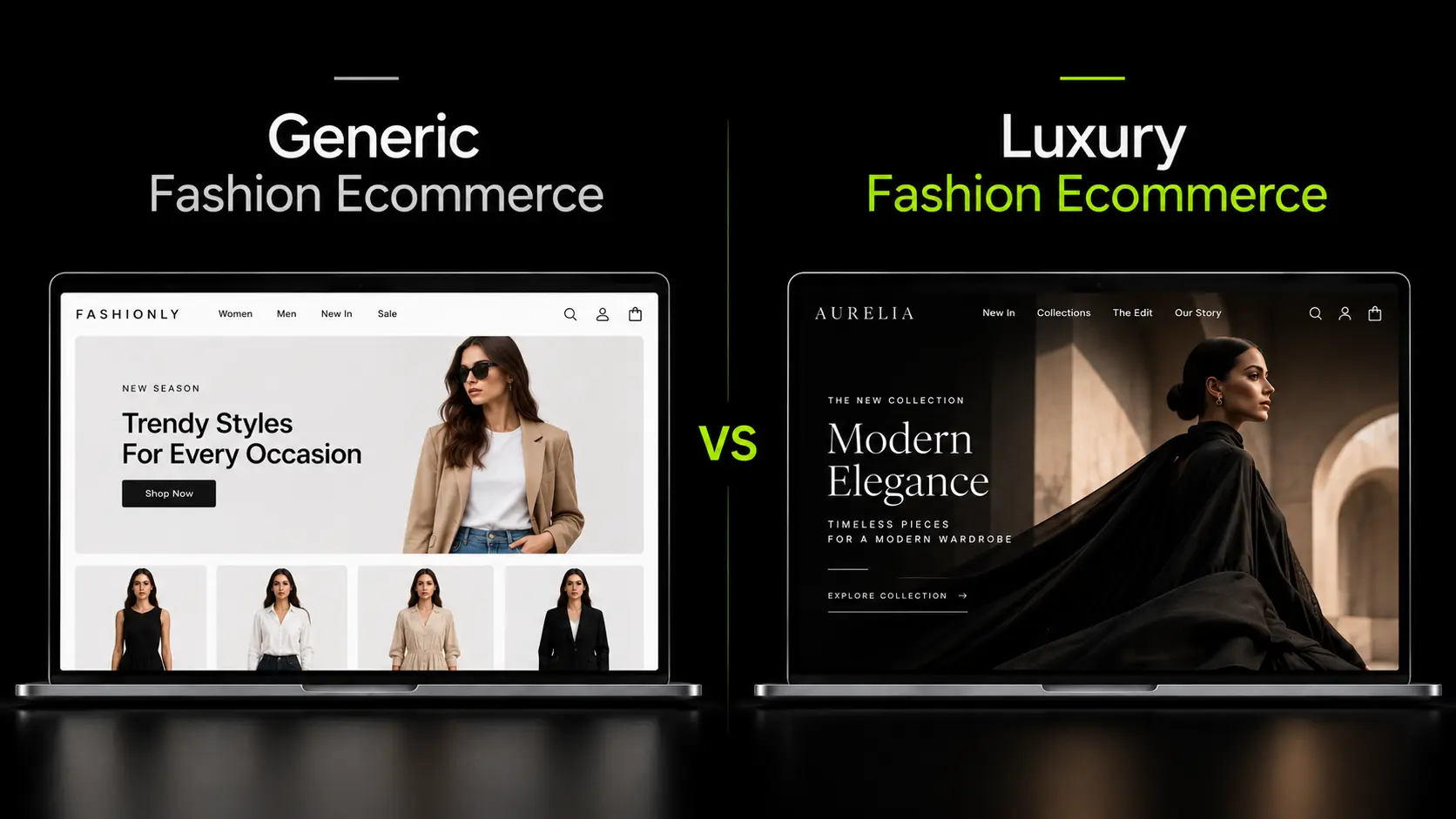
Why Luxury Fashion Ecommerce in Dubai Is Different
Dubai’s luxury market serves international visitors, private clients and shoppers buying for weddings and special occasions.
These audiences have different expectations around product discovery, personalised service, delivery and authenticity.
A luxury website needs to account for these differences rather than simply replicate a standard online store.
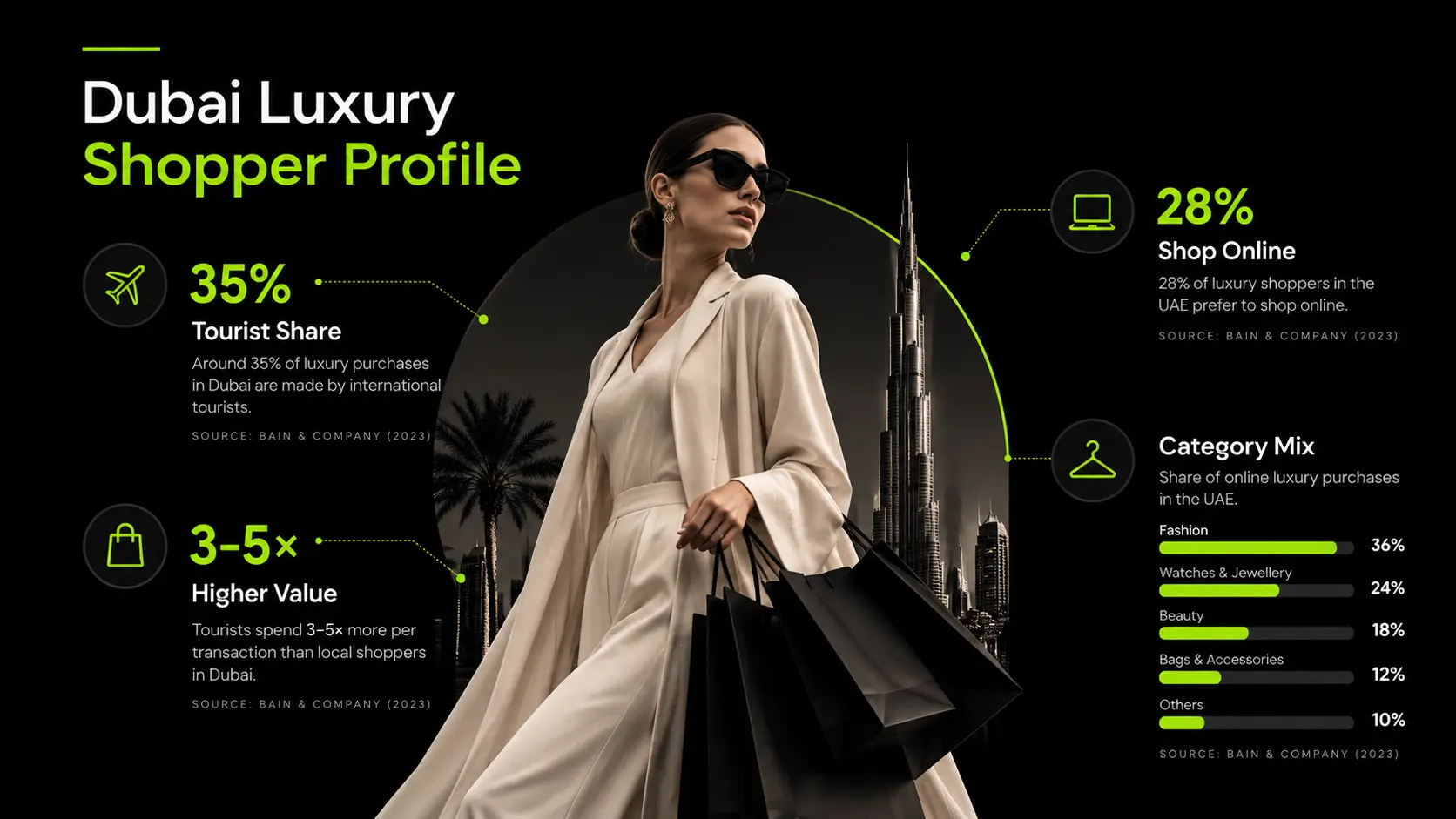
1. International Customers: Bain estimates that tourists account for 50–60% of luxury sales in the Middle East. Customers may discover a brand in a Dubai boutique and want to purchase again from London, Riyadh or Mumbai.
International shipping information, suitable currencies and consistent product availability help support repeat purchases.
2. Private Clients Expect Personal Service: Ken Research reports that the top 0.1% of luxury customers represented 37% of global luxury market value in 2025. For brands serving high-value clients, features such as personalised recommendations, private appointments and access to a dedicated advisor can extend the boutique relationship online.
3. Online Sales Are Developing: Ken Research estimates that online channels accounted for around 13% of GCC personal luxury sales in 2024, with online sales growing 13% year on year.
These figures are estimates, but they highlight the opportunity to make digital channels a stronger part of the customer experience.
4. Occasion Wear Needs Clear Navigation: Clothing and apparel represented approximately 37.9% of the UAE luxury goods market in 2025, according to Mordor Intelligence.
Wedding edits, evening wear and seasonal collections benefit from dedicated landing pages, availability details and delivery deadlines.
Traditional garments also need category-specific information, such as the length and fabric details required by abaya brands using Shopify.
5. Authenticity Builds Confidence: Clear product information, transparent business details, secure payments and dependable after-sales service help customers assess a luxury retailer’s credibility.
Together, these elements support a digital experience that reflects the expectations associated with luxury shopping in Dubai.
What Our Audits of Premium Fashion Websites Reveal
Suplex has independently reviewed several premium fashion and luxury websites. These audits examine publicly accessible websites; none of the brands discussed below is a Suplex client.
Nicobar: Strong Product Pages, Weaker Brand Consistency
Suplex’s Nicobar audit received a score of 3/5. It highlights the difference between providing useful product information and creating a consistent luxury experience.
What works well:
- Collection cards display fabric, prices, colour swatches and new-arrival labels.
- Product pages include multiple images, fabric close-ups and garment measurements from XS to 3XL.
- Model height and worn size help shoppers assess fit.
- PIN-code delivery checks, store availability and Shop the Look support purchase decisions.
- A WhatsApp-based Gifting Concierge provides a more personal service option.
What needs attention:
- Generic homepage banners and mixed-category carousels weaken the brand’s distinctive presentation.
- Customer reviews are absent despite premium product prices.
- The Gifting Concierge uses a different visual style, making the experience feel disconnected from the main store.
Useful product information needs to sit within a consistent brand experience, from the homepage to specialised services.
SKIMS vs Alo Yoga: Clear Structure vs Editorial Atmosphere
SKIMS audit scored 4.5/5. Its navigation organises products by type, solution and compression, while photography and collaborations support product discovery and brand credibility. Site speed was a notable area for improvement.
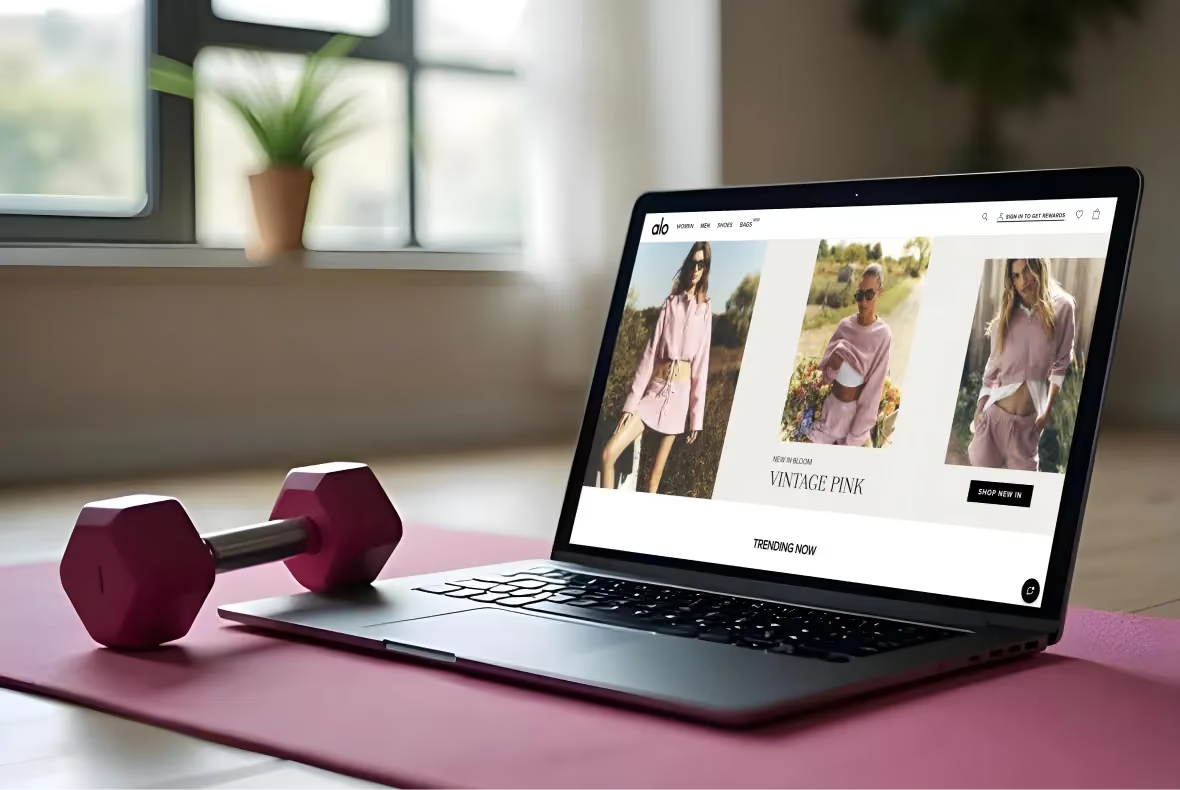
Alo Yoga audit, scored 3/5, identified different issues: unclear category labels, limited fabric and fit information, no visible product reviews and weak cache-control performance.
Together, these audits show why luxury fashion sites need both strong visual direction and practical shopping tools.
Four Lessons for Luxury Fashion Websites in Dubai
- Edit The Homepage Deliberately: Prioritise the brand story and key collections over repetitive promotional banners.
- Keep The Experience Visually Consistent: Gifting, concierge services and campaign pages should feel connected to the main storefront.
- Support High-Value Purchase Decisions: Provide detailed product information, sizing guidance and customer reviews where appropriate.
- Make Performance Part Of The Experience: Slow-loading imagery and pages can undermine an otherwise polished design.
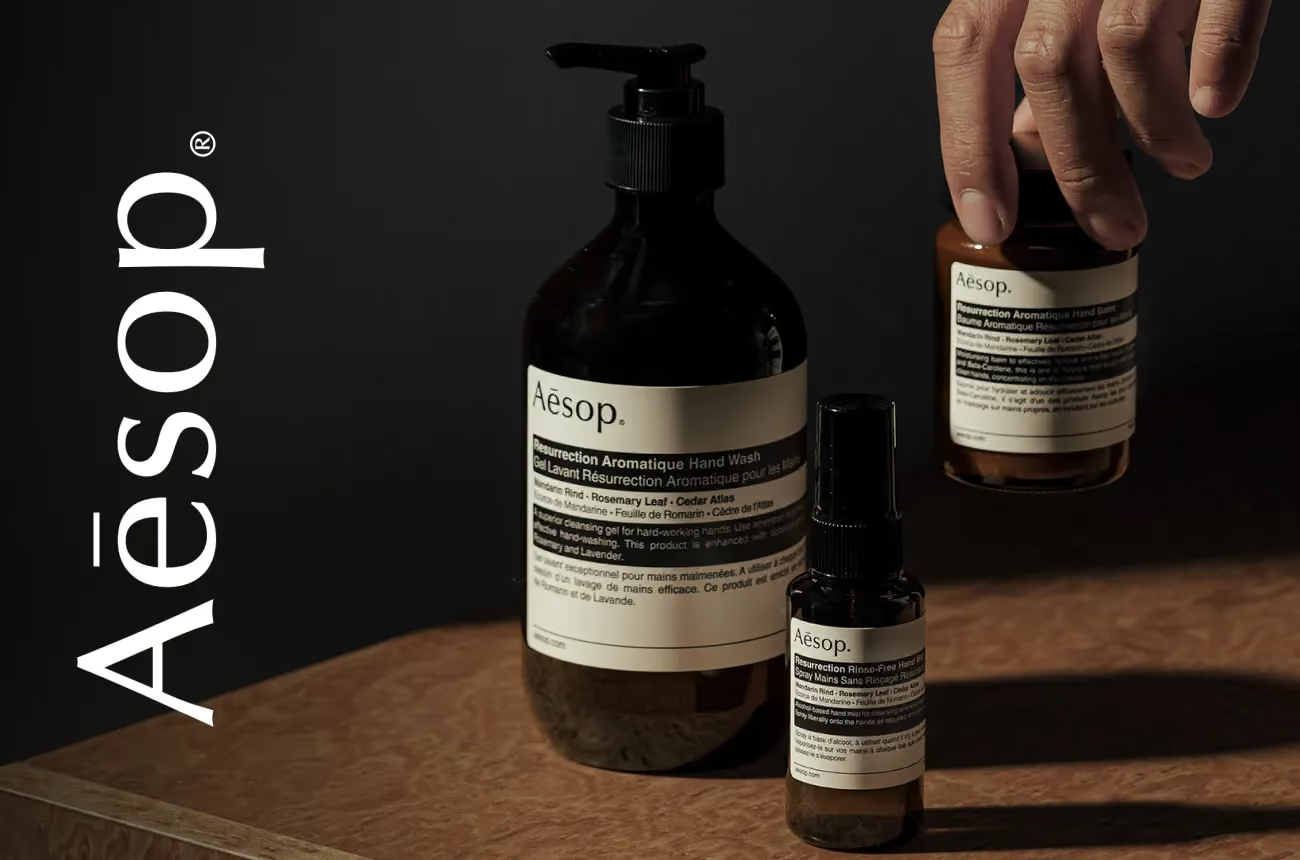
The same balance between brand storytelling and useful product information appears in Aesop audit. For luxury beauty stores, product pages also need to connect the brand’s identity with the information customers need to choose the right product.

Design Principles for Luxury Fashion Websites
Luxury design depends on careful editing. Every image, interaction and line of copy should support the brand’s identity without making the shopping experience harder to use.
- Curate the Homepage : Lead with one seasonal story, a considered selection of products and editorial content.
Avoid stacking promotional banners or filling the page with mixed-category carousels. The homepage should communicate what makes the brand distinctive, not simply display everything available.
- Let the Craftsmanship Show: Use high-resolution photography to reveal fabric texture, embroidery, stitching and construction.
Add movement or runway video where it helps communicate how garments fall and fit. Keep lighting, image treatment and art direction consistent across collections.
- Use Typography and Space Deliberately: Choose a restrained type system with clear hierarchy and generous spacing.
Keep product information readable on mobile, including prices, size selectors and garment details. White space should make the design feel considered without hiding useful information.
- Keep Motion Subtle and Fast: Use transitions and animation to support browsing rather than distract from it.
Agree on performance targets before development, optimise large media files and test the experience on mobile. A visually refined page loses its impact if shoppers must wait for it to load.
- Maintain One Brand Identity: Gifting, concierge services, campaign pages and checkout should feel like parts of the same experience.
Consistent typography, colour, imagery and interaction patterns help customers move between these areas without feeling as though they have entered a different store.
- Review Every Detail Before Launch: Proofread headlines, product descriptions, collection names and checkout messages.
In luxury retail, small inconsistencies can undermine the impression of care that the rest of the website works to establish. Include copy review, mobile testing and visual quality checks in the launch process.
Fit and Product Confidence at Luxury Price Points
A premium price comes with higher expectations. Customers want to understand the garment’s fit, materials and craftsmanship before committing to a purchase.
Product pages should provide the detail and personal assistance that shoppers would expect in a luxury boutique.
Show How Each Garment Fits
Include product-specific measurement charts, model height and the size worn. Add fit notes for individual designs rather than relying on a single size chart across the catalogue.
For customers who need additional reassurance, offer access to a stylist or size consultant through WhatsApp or video appointments.
Explain the Materials and Craftsmanship
Use the product page to describe fabric composition, construction techniques, embellishments and verified information about the garment’s origin or maker. High-resolution close-ups can help customers examine these details.
This information gives shoppers a clearer understanding of what distinguishes the piece and supports the price without relying on broad luxury claims.
Make Alterations and Personal Assistance Visible
If the brand offers tailoring or alterations in Dubai, explain which adjustments are available, how customers can book them and whether additional charges apply. Include styling appointments or personal shopping assistance where these services are offered.
Build Confidence With Reviews
Customer reviews, photographs and fit feedback can provide useful reassurance, particularly for expensive items. Where appropriate, include verified-purchase reviews and styling advice from the brand’s team.
Nicobar website audit identified a useful example: detailed product information and garment measurements were available, but customer reviews were absent.
Product information and customer feedback serve different purposes, so both deserve consideration.
Suggest Complete Looks
Recommend complementary pieces, such as matching trousers for a blazer or accessories for an evening outfit. Keep suggestions relevant to the original item and make it easy to explore the complete look.
These features combine practical purchase information with personalised service. For more on fit guidance, product pages and returns, see our article on ecommerce website design for fashion brands in the UAE.
Private Client and Clienteling Online
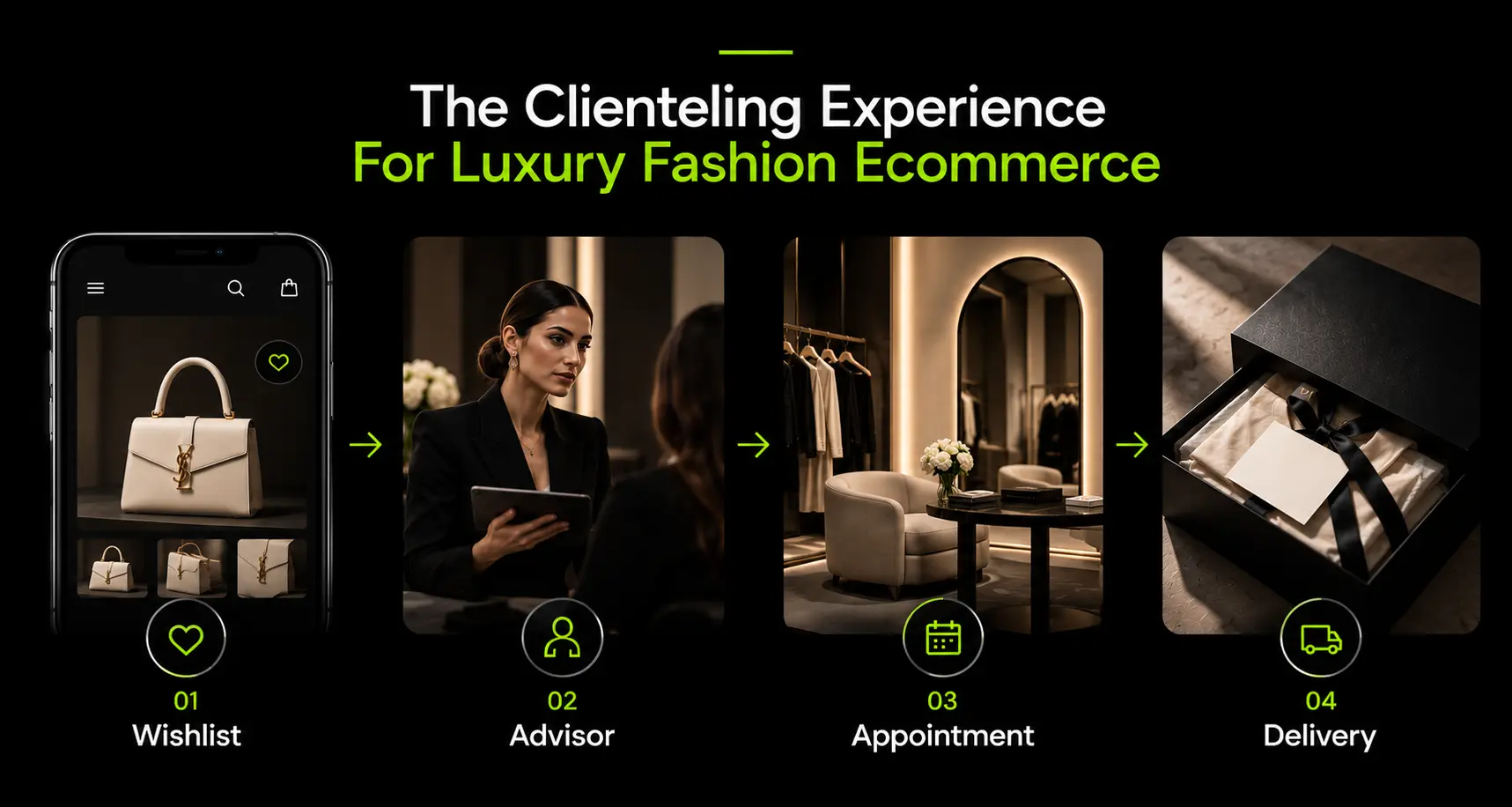
Private clients can contribute disproportionate value to luxury fashion sales. The website should support the personal relationships, exclusivity and service these customers expect, rather than treating every shopper the same.
Features to Build
- Tiered Client Programme: Offer early access to collections, private events, client recognition and priority alterations.
- Private Appointments: Let clients book boutique viewings in Dubai or virtual styling sessions.
- Advisor-Led Selections: Allow clients to share wishlists with a named advisor and receive curated product selections through personalised pages.
- WhatsApp Concierge: Provide a direct contact for styling advice, product enquiries and order assistance.
- Made-to-Order and Couture Enquiries: Capture requirements, measurements and expected timelines. The made-to-measure flow for abaya brands offers a useful starting point.
- Collection pre-orders: Let clients register interest or enquire about pieces featured in upcoming collections.
Start With a Service Your Team Can Deliver
Build only what your team can manage consistently. A concierge that takes two days to reply can undermine the experience it is meant to improve. Likewise, wishlists and personalised selections add little value if advisors never act on them.
The same principle applies to private shopping appointments and client programmes: assign clear ownership, define response times and make follow-up part of the process.
Delivery and Service, Dubai Standard
In Dubai’s luxury market, delivery is part of the product experience. Customers expect the convenience of local retail without losing the care and attention associated with a boutique purchase.
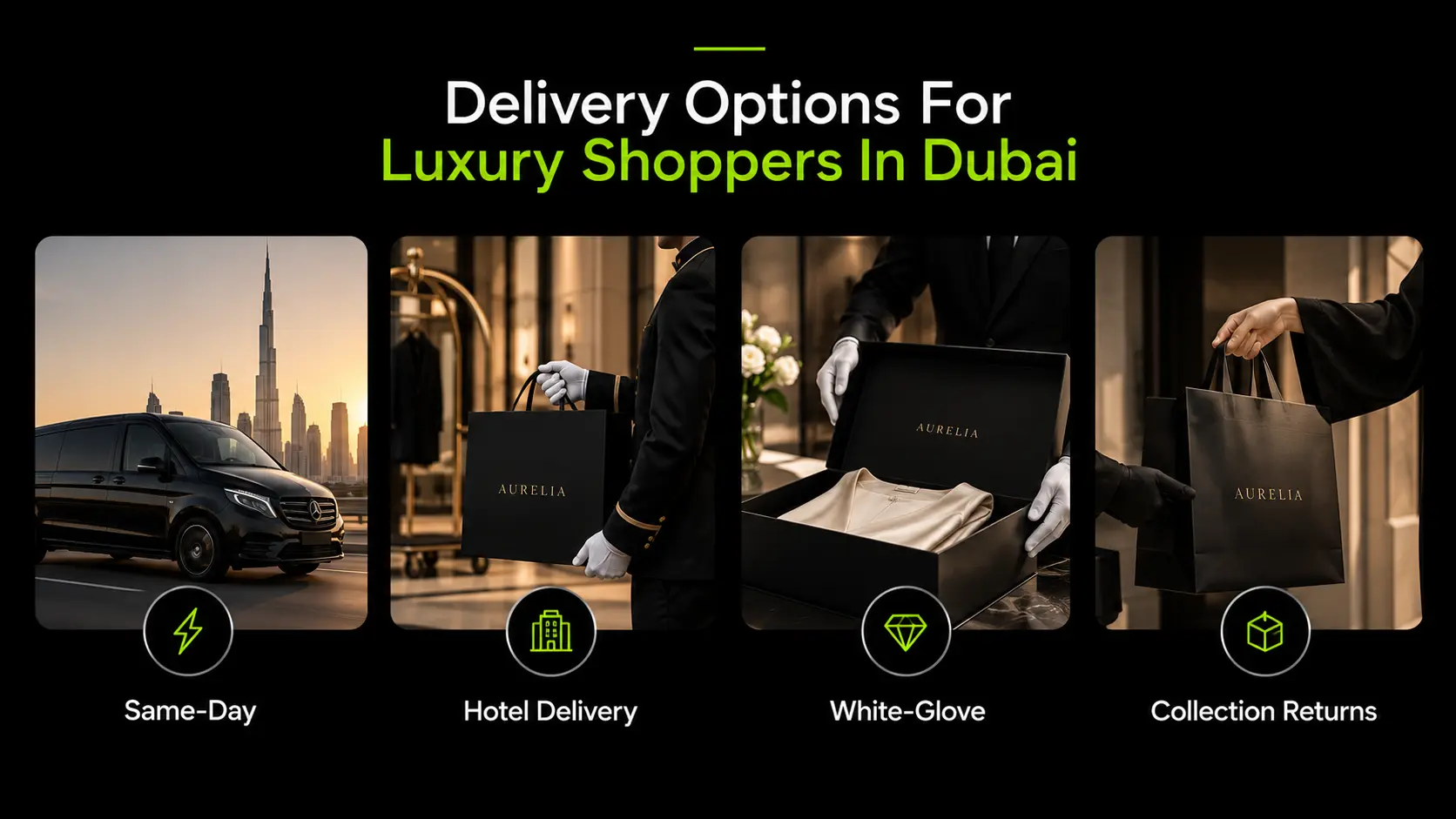
Delivery Options
- Same-day Delivery: Offer it within eligible Dubai areas where fulfilment capacity allows.
- Scheduled Delivery: Let customers choose a suitable delivery window.
- Hotel Delivery: Serve visitors by arranging delivery under the guest’s name and coordinating room or reception handling with the hotel and courier.
- White-glove or try-at-home service: Where feasible, offer delivery with an advisor who can assist with fitting or styling.
Confirm courier capabilities, service areas and additional charges before advertising these options.
Premium Handling
Use packaging that reflects the product’s quality. Offer gift wrapping, discreet invoices and a consistent unboxing experience.
The final delivery should feel like a continuation of the boutique experience, not a handoff to an ordinary courier.
Make Returns Clear
Explain collection arrangements, eligibility, timelines and any applicable fees before checkout. Give particular attention to altered and made-to-order garments: state whether they can be returned or exchanged, subject to applicable consumer law.
Unclear terms can make customers hesitate over high-value purchases. A transparent policy helps them understand the commitment before ordering.
Set a Realistic Service Standard
UAE department stores already promote convenient delivery and returns. Bloomingdale’s UAE, for example, has advertised free same-day delivery and free returns on selected beauty gifts.
Treat such offers as a service benchmark, not a promise to copy across every product category. Choose services your team can deliver reliably, and communicate their availability and conditions clearly.
Serving Tourists and International Clients
A luxury purchase in Dubai can be the start of a long-term customer relationship. Your website should make it easy for international clients to shop again after they return home.
Use Shopify Markets or an equivalent setup to support relevant currencies, localised pricing and international shipping. Show duties and taxes upfront where possible, so customers understand the total cost before checkout.
Example: a client who buys a piece in Dubai and returns to London should be able to browse prices in GBP and understand the import charges before placing another order.
Connect Boutique and Online
- Capture client details in store with their consent.
- Link boutique purchases to an online account where your systems allow it.
- Follow up with relevant new-season previews and collection updates.
Make follow-ups personal and useful. A client who receives relevant updates from a brand they discovered in Dubai has a reason to return online.
Support Key Languages
Offer English, Arabic and other languages based on your client profile. Prioritise the languages your customers use and ensure product details, checkout and post-purchase communication remain consistent across each version.
Offer Familiar Payment Options
Accept major international cards and relevant digital wallets. For UAE and GCC customers, consider local buy-now-pay-later options such as Tabby and Tamara, subject to merchant eligibility and market availability.
International expansion also means choosing a platform that can handle multiple markets, currencies, shipping rules and local payment requirements. These factors are worth assessing when choosing an ecommerce platform for a luxury brand.
Arabic, Occasion Wear and the Luxury Calendar
If your customers shop in Arabic, the entire buying journey needs to work in Arabic too. That includes product descriptions, size guides, appointment booking and checkout, with a proper right-to-left layout.
The Arabic version should receive the same attention as the English site. If you're planning a bilingual store, the technical requirements for Arabic-English ecommerce websites in the UAE are worth considering before development begins.
Occasion Wear
Create dedicated collections for eveningwear, weddings and Eid. Add abayas and kanduras where they fit the brand's range.
Customers buying for an occasion need to know whether an item is in stock, how long alterations will take and whether it will arrive before the event. Make these details easy to find on product pages.
Plan Around the Luxury Calendar
Key dates for Dubai luxury fashion brands include:
- Ramadan and Eid
- Wedding season
- UAE National Day
- Dubai Shopping Festival
- Year-end gifting
Prepare campaign pages, stock and appointment slots ahead of each period. Set delivery cut-offs based on actual fulfilment times, especially for altered and made-to-order garments.
Authenticity, Trust and What to Leave Out
Luxury buyers need confidence in both the product and the retailer. State whether the site belongs to the brand or an authorised seller, and provide verified information about materials, craftsmanship and provenance.
Include authenticity cards or certificates where applicable, your UAE business details and boutique address, clear returns and alterations policies, and a secure checkout.
The rest of the website should reflect the same standards. Avoid features that make a luxury store feel like a mass-market retailer:
- Banner Carousels And Crowded Homepages: Give the current collection room to stand out instead of filling the page with competing promotions and mixed-category grids.
- Sale Banners And Countdown Timers: Avoid constant discount messaging and artificial urgency.
- Inconsistent Design: Keep campaign pages, gifting services and other parts of the site within the same visual system.
- Misleading Editorial Labels: Make sure titles such as “Style Guide” lead to useful styling advice rather than ordinary product listings.
- Heavy Third-Party Widgets: Review apps and integrations that slow pages or interrupt the shopping experience.
Trust also depends on where information appears. Put product-specific details on the product page and make business information and store policies easy to find.
These considerations also apply to luxury beauty stores, where product information, presentation and checkout need to work together.
Platform Choice and Choosing a Design Partner in Dubai
For many single-brand luxury fashion businesses, Shopify Plus can handle the store without adding unnecessary technical complexity.
Multi-brand groups or businesses with complex regional operations may need a different setup. The decision should come down to the catalogue, markets, integrations and level of customisation required. The comparison of ecommerce platforms for luxury brands explains the main differences.
Once the platform is clear, look closely at the agency you plan to work with. Ask how they would approach your business, not just which features they can build.
- How would you structure the homepage around our collections and brand story?
- How would you present fit, materials and craftsmanship on product pages?
- Which private-client and appointment features would you prioritise?
- How would you handle international customers, currencies and delivery requirements?
- How would you keep campaign pages and gifting services consistent with the main site?
- How would you measure and improve site performance?
- Which premium or luxury fashion websites have you built or audited, and what would you do differently based on those experiences?
Ask for examples to support their answers. A portfolio should show how the agency solved design and business problems, not just how the finished websites look. These Shopify agency portfolio red flags can help you assess the evidence.
The agency should also explain what needs a custom theme, what existing Shopify features can handle, and where additional apps or development would add unnecessary cost.
If Shopify Plus is the right fit, review the scope of its development and implementation services before committing.
How Suplex Approaches Luxury Fashion Websites
Suplex is a Dubai-based Shopify and Shopify Plus agency. We do not have a published luxury fashion client, so our work in this category needs to be judged on the research we have done and the relevant projects we have delivered.
Our audits of Nicobar, SKIMS, Alo Yoga and Aesop are independent website reviews, not client projects. They examine areas such as navigation, product information, visual consistency and site performance.
Our closest published fashion project is Miho, a contemporary clothing brand on Shopify. The work included customer personas, information architecture, filters, wireframes and a visual system.
For a luxury fashion store, we would apply that experience to the areas that matter most to the brand and its customers:
- Homepages that give collections and brand stories room to stand out.
- Product pages with garment measurements, fit notes and material details.
- Appointment booking and private-client enquiries.
- Delivery options suited to Dubai customers, where courier capabilities allow.
- International selling, including currencies, shipping and import duties.
- Arabic content and right-to-left layouts where required.
The exact scope depends on the brand, its customers and how the team handles orders and client relationships. We would establish those requirements before deciding on the design and development work.
Frequently Asked Questions
What Makes a Luxury Fashion Ecommerce Website Different From a Regular Fashion Store?
A luxury fashion website puts the brand, collection and craftsmanship first. It uses considered layouts, strong product photography and detailed information about fit, fabric and provenance. Personal services such as styling appointments, private shopping and alterations can extend the boutique experience online.
What Features Should a Luxury Fashion Website in Dubai Have?
Priorities include a well-curated homepage, detailed product pages, fit guidance, customer reviews, gift services and a consistent visual design. Depending on the brand, the site may also need boutique appointments, WhatsApp assistance, private-client services, local delivery options, international shipping, multiple currencies and Arabic content.
Should Luxury Fashion Brands Show Customer Reviews?
Yes, where reviews can be collected and displayed authentically. Buyers spending more on clothing may want reassurance about fit, materials and quality. Reviews with useful fit details and customer photographs can help them make a decision. Our Nicobar website audit examines how product information is presented on a premium fashion site and where customer feedback could add value.
How Can a Dubai Luxury Fashion Brand Serve Tourists Online?
Make it easy for customers to shop again after returning home. With consent, connect boutique purchases to online accounts and send relevant collection updates. Support the currencies and shipping destinations your customers need, and show applicable duties and taxes before checkout where possible. Hotel delivery can also be useful for visitors shopping in Dubai, provided the courier and hotel can accommodate it.
Which Ecommerce Platform Suits Luxury Fashion Brands in Dubai?
Shopify Plus suits many single-brand luxury retailers that need a customised storefront and international selling features. Larger groups with multiple brands, regions or complex systems may need a different platform. The decision depends on the business's requirements and operations, not its positioning alone.
Hi, I’m Rishabh Jain
I believe great digital experiences have the power to shape perception, build trust, and move businesses forward. That belief led me to found Suplex Design Studio, a global digital design and development studio helping FMCG and D2C brands build websites and digital experiences that are strategic, thoughtful, and commercially meaningful.
I started Suplex at 25 with a clear intent, to create digital experiences that look appealing, work seamlessly, and help D2C businesses grow. By 28, the studio had scaled globally, guided by a strong foundation in integrated design that I developed during my academic journey in London, where I was honoured with the Dean’s Award.
Over the years, I’ve had the opportunity to work with 100+ brands, from Fortune 500 organisations to family-run businesses, helping them build websites, e-commerce experiences, and digital products that create clarity, credibility, and long-term value.
Our work has been recognised internationally, including the Manifest Award (2024), the Clutch Global Award (2025), and features across platforms such as The Dieline, Packaging of the World, and the World Brand Design Society.
None of this would be possible without the people behind the work. I’m deeply grateful to the Suplex team, whose commitment, creativity, and attention to detail turn ideas into meaningful digital experiences every day.
At the heart of our work is a simple philosophy, digital design should be intentional, functional, and built to create real business value. That continues to guide everything we create at Suplex.















Let’s Make It Happen
E-Commerce Success Stories







Build Your D2C Business The Right Way
Build It With Suplex.


