Ecommerce Website Design Agency for Fashion Brands in the UAE: What to Expect and How to Choose


Ecommerce Website Design Agency for Fashion Brands in the UAE: What to Expect and How to Choose
Fashion ecommerce depends on clear navigation, accurate sizing and a seamless shopping experience.
In the UAE, fashion accounted for 20.6% of online purchases in the first half of 2026, making a well-designed store essential for helping customers find products and reducing avoidable returns. From our experience designing high-end ecommerce stores.
This Suplex guide explains what a specialist ecommerce agency should deliver, lessons from our independent audits of SKIMS and Alo Yoga, and the UAE-specific factors to consider when choosing an agency.
Why Fashion Brands Need a Fashion-Literate Ecommerce Agency
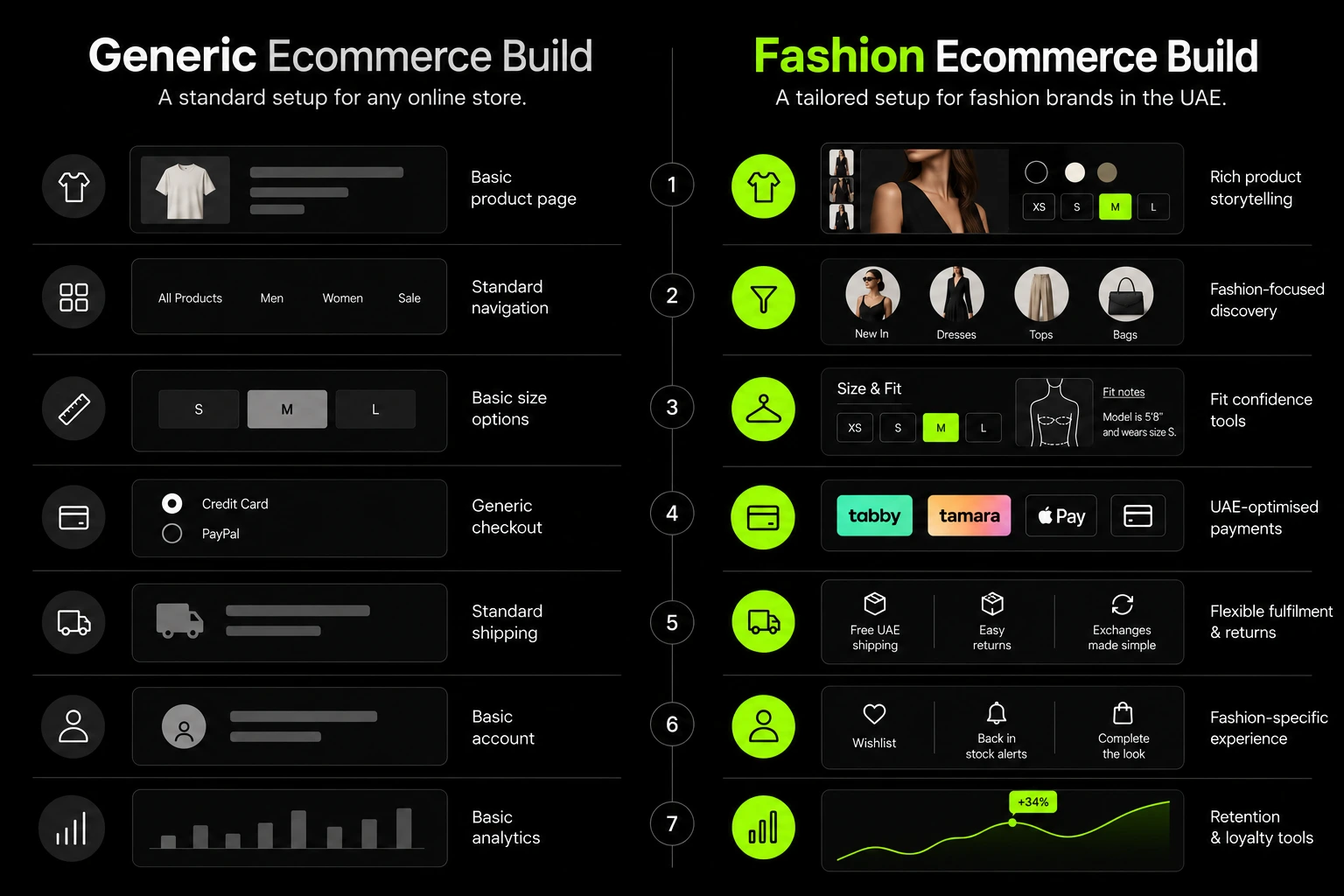
Fashion ecommerce requires more than attractive product pages. Customers need to find the right styles, choose the correct size and understand how garments fit before ordering. A specialist agency builds these needs into the store from the start.
These differences affect how customers shop and whether they complete a purchase. Clear navigation helps shoppers find relevant products, while detailed sizing information gives them more confidence before ordering. Better exchange processes can also help retain sales when customers choose the wrong size.
A fashion agency should prioritise navigation, product discovery and size selection early in the design process, rather than focusing only on the homepage.
For platform selection, compare the best ecommerce platforms for fashion brands. If you're considering Shopify, the best Shopify templates for clothing brands.
d and technical performance were the main areas for improvement.
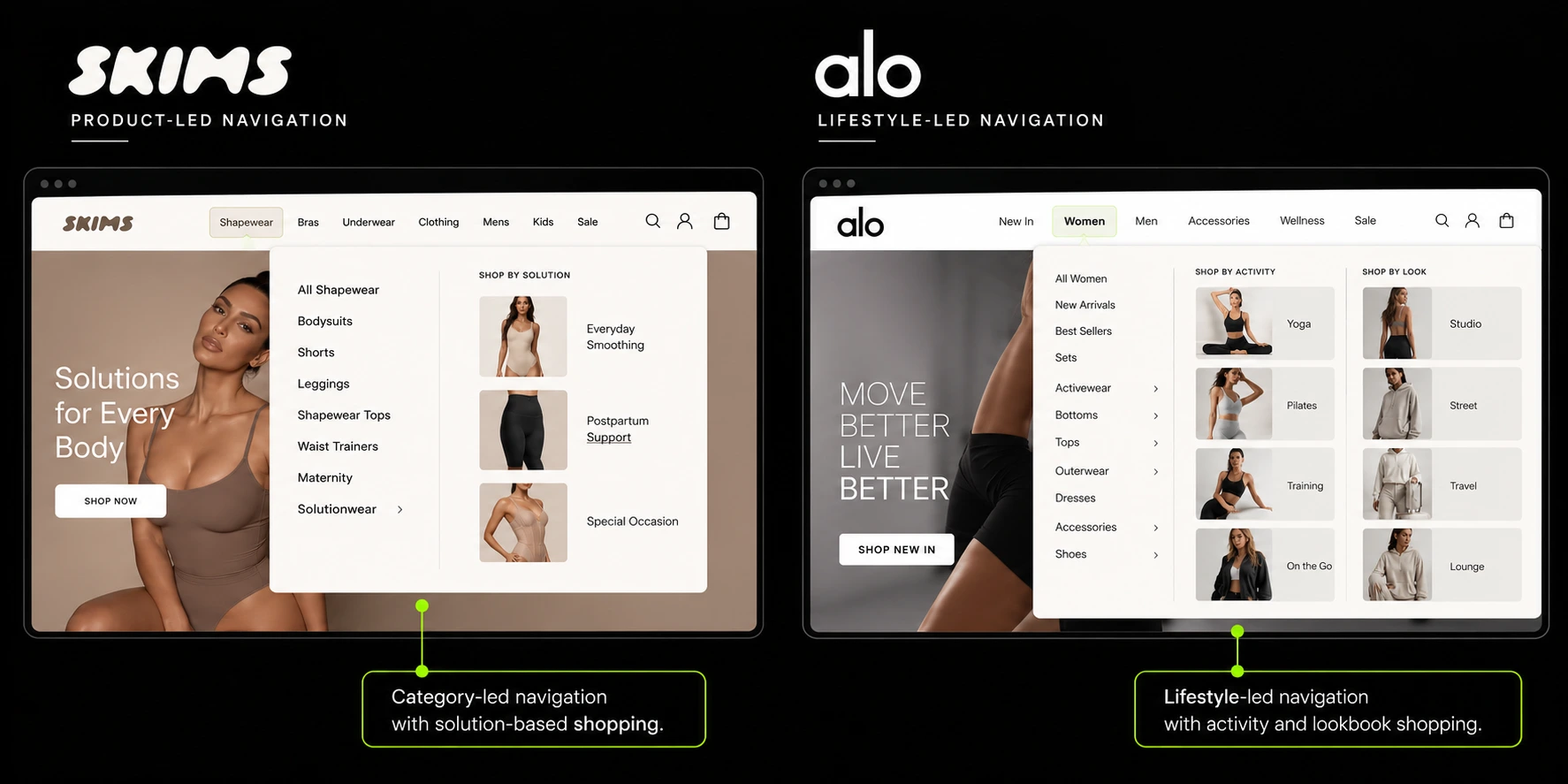
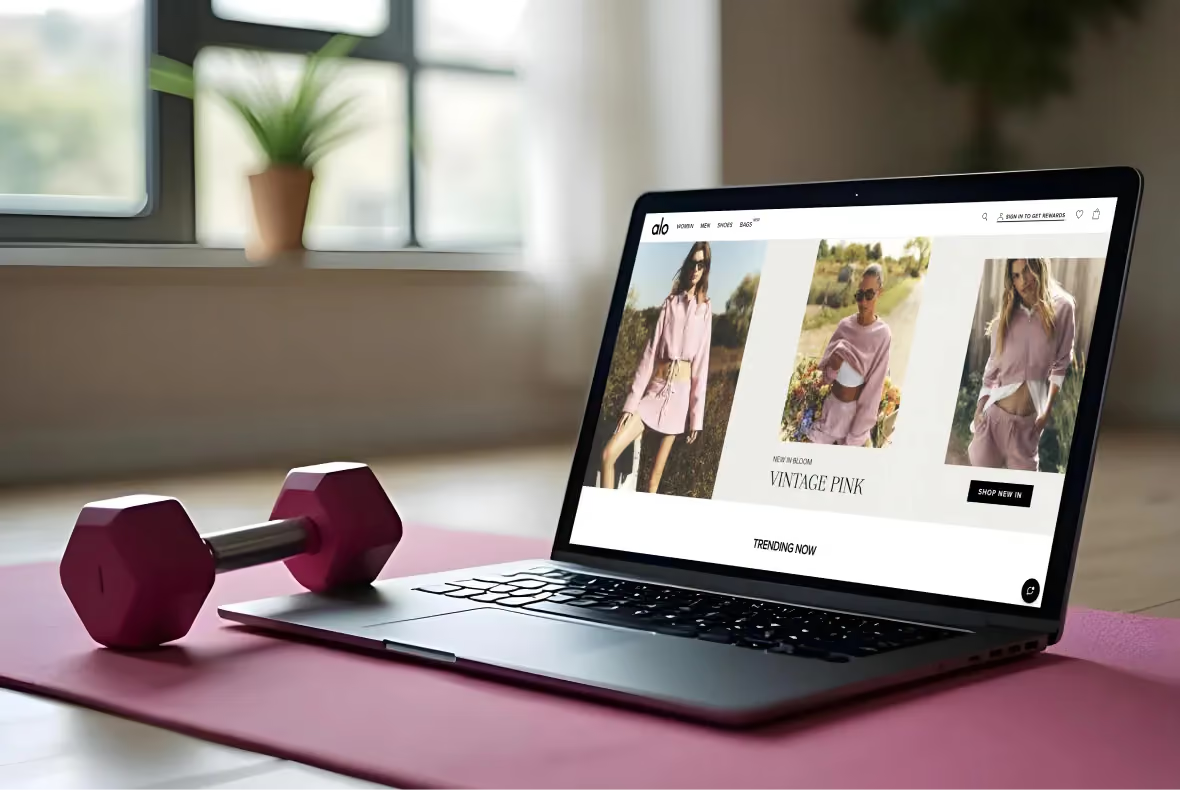
Alo Yoga (3/5): Strong Branding, Less Direct Navigation
Alo Yoga audit found a consistent editorial identity but gaps in product discovery and information.
What needs improvement:
- Editorial homepage labels make product categories less obvious.
- The Style Guide section leads to discounts and new arrivals rather than practical styling advice.
- Product pages lack visible ratings and reviews.
- Fabric, fit and usage information is limited.
- Cache control received an F performance score in the audit.
What Fashion Brands Can Learn
The key lesson is to combine editorial content with clear navigation. Editorial features inspire shoppers, while structured categories, fit information and customer reviews help them make purchase decisions.
The Fashion UX Essentials an Agency Should Deliver
A fashion ecommerce agency should design the store around how customers browse, compare sizes and choose outfits. Use these five areas to evaluate an agency's approach.
1. Navigation and Filters : Organise navigation by audience, category and subcategory, with additional options to shop by occasion or activity.
Include filters for size, colour, fit, fabric, length and price. Show only products available in the selected size, display size availability on product cards and use alternate images to help shoppers explore items.
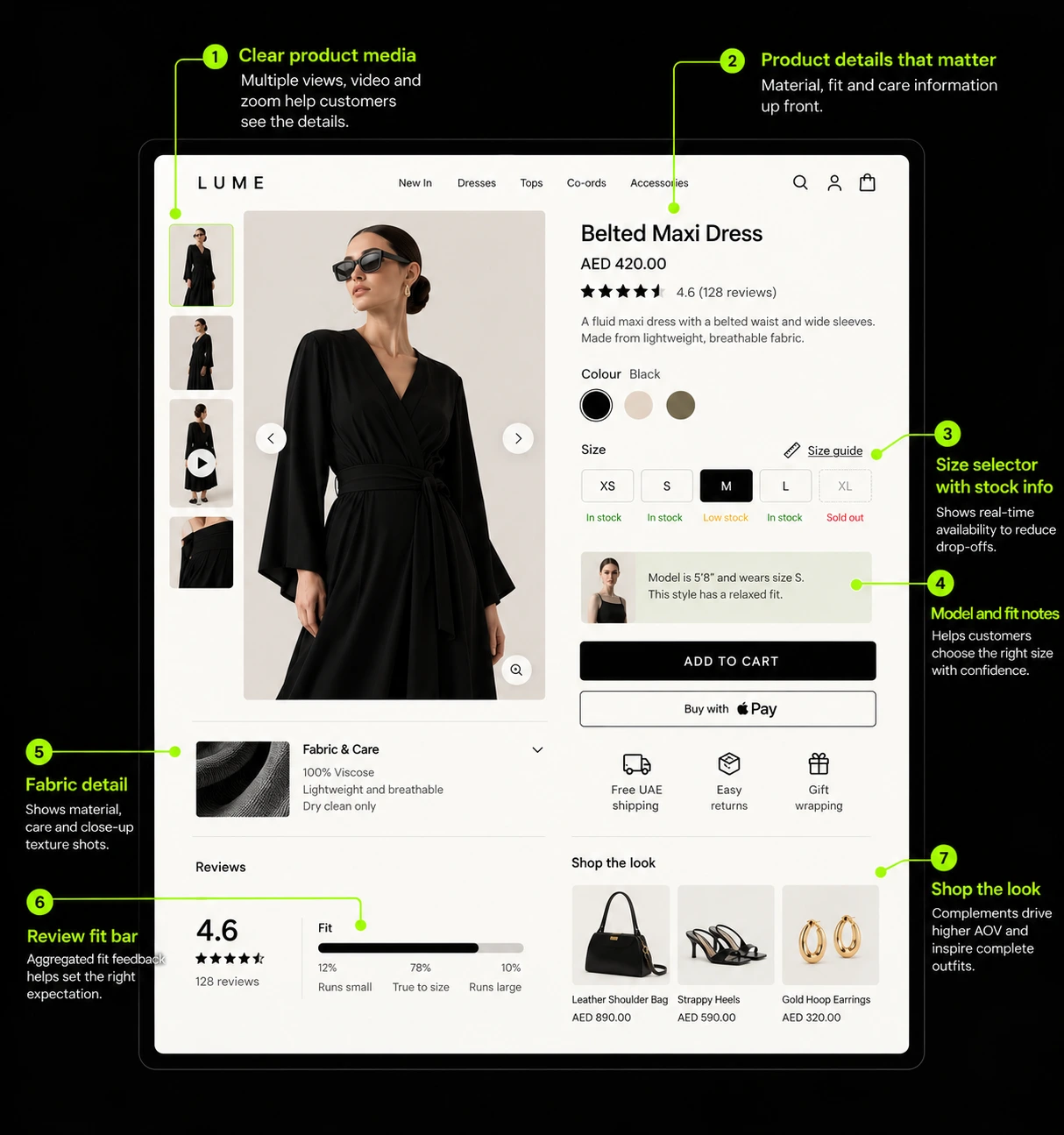
2. Product Pages That Build Fit Confidence : Help customers choose the right size with
- Size selectors showing stock availability
- UK, EU and US size conversions
- Product-specific fit notes
- Model height and size worn
- Fabric composition, feel and care instructions
- Multiple product angles and movement videos
- Reviews with fit feedback and customer photos
These details help customers understand how a garment looks and fits before ordering.
3. Outfit Recommendations and Cross-Selling : Add “Shop the look” and “Complete the outfit” sections to show matching items and coordinated sets. These recommendations help customers discover complementary products and build complete outfits.
4. Drops, Collections and Lookbooks : Create dedicated landing pages for new launches, seasonal collections and limited releases. Include waitlists, size-specific back-in-stock alerts and shoppable lookbooks that link directly to products.
5. Mobile Experience and Speed : Fashion stores often attract shoppers from social media, making mobile usability essential. Optimise product images, minimise unnecessary scripts and set performance targets before development begins.
Our independent audits identified performance issues on both SKIMS and Alo Yoga, showing why technical optimisation matters even for established brands. For implementation ideas of Shopify speed optimisation, ecommerce UX best practices and product listing page best practices.

Designing to Reduce Returns
Fashion returns often start with problems on the product page. Unclear sizing, inaccurate colour representation and missing fabric details can lead customers to order items that do not meet their expectations.
CNNB and YouGov research estimated that 30% of items purchased online in the UAE in 2021 were returned and refunded.
This figure is dated and not specific to fashion, so treat it as indicative. DHL's 2026 research also found that 92% of UAE shoppers prioritise fast, free delivery and easy returns.
Product Page Improvements
Help customers make informed purchase decisions with:
- Product-Specific Size Guidance: Explain how each garment fits rather than relying on a generic size chart.
- Fit Indicators: Use review feedback to show whether an item runs small, fits true to size or runs large.
- Fabric Details: Explain composition, stretch and how the material feels.
- Accurate Photography: Show realistic colours and multiple product angles.
- Model Information: Include the model's height and the size worn.
Make Returns Easier
A clear returns process can help retain customers and encourage exchanges instead of refunds.
- Provide a self-service returns portal.
- Offer size exchanges before refunds where appropriate.
- Display the returns policy on product pages.
- Record return reasons by product and size.
Track Returns by Product
Monitor return rates and reasons for individual products, not just the store overall. If a dress has unusually high returns because it runs small, update its fit notes and sizing guidance.
Reduce preventable returns by helping customers choose the right product and size before checkout. Use return data to identify problems and improve product pages continuously.
Fashion Ecommerce in the UAE: What Your Agency Should Know
Fashion ecommerce in the UAE requires localised product discovery, seasonal planning, flexible payments and clear delivery options. Four areas deserve particular attention.
1. Modest Fashion Catalogues
Abayas, kaftans and modest ready-to-wear need filters for length, sleeve style, fit, fabric weight, opacity and occasion. Include product-specific length guidance based on the brand's actual measurements so customers can choose styles confidently.
2. Seasonal Calendar
Plan Ramadan and Eid collections, White Friday campaigns, and summer and winter edits well in advance. Prepare launch pages, inventory and delivery cut-off dates before each major shopping period.
For more ideas, explore our strategies for improving ecommerce conversion rates in the UAE.
3. Payments and Delivery
Offer relevant payment options such as Tabby, Tamara and Apple Pay, subject to provider eligibility. If you accept cash on delivery (COD), use order-confirmation processes to help reduce refused deliveries.
Set realistic same-day or next-day delivery promises by emirate based on courier capabilities. Only offer open-box or try-on delivery when your logistics partners support it.
4. Language and Competition
Arabic content should match the quality and tone of your English store. Product descriptions, size guidance and checkout instructions must remain clear in both languages.
Regional marketplaces and department stores also shape customer expectations around product range, delivery and returns.
Independent fashion brands can stand out through exclusive collections, detailed fit guidance, styling content and loyalty programmes.
Platform and Technology for Fashion Brands
Shopify suits many UAE fashion brands, while Shopify Plus can support larger businesses with more complex catalogues and international operations.
Key Features
- Product Variants: Manage size and colour options, checking variant limits for products with extensive size ranges.
- Multi-Currency Selling: Use Shopify Markets to support customers across different markets.
- Fashion-Specific Apps: Add fit-focused reviews, size recommendations, returns and exchange portals, and back-in-stock alerts.
- Arabic Support: Choose a theme that supports your bilingual store requirements.
Performance Considerations
Fashion stores rely on high-quality product photography, which can slow down pages if images and apps are not optimised.
Use image optimisation, lazy loading and a carefully selected app stack to keep pages responsive. Test performance on mobile devices, where customers often browse collections and product pages.
Choose the best ecommerce platforms for fashion brands based on your catalogue size, international requirements and planned features rather than adding apps you may not need.
What a Fashion Ecommerce Engagement Should Include
A fashion ecommerce project involves more than choosing a theme and designing attractive product pages.
The agency should understand your customers, organise your catalogue, communicate fit and fabric details, and build a store that supports product discovery and purchasing. Use the following checklist to assess an agency’s proposal.
Discovery and UX Planning: establish how customers browse and what information they need. For example, a modest fashion brand may need filters for sleeve length, garment length, fabric opacity and occasion. A performance-wear brand may need filters for activity, compression and fabric type.
Product Page Design and Visual Direction: help shoppers understand how clothing fits, moves and looks. Clear size guidance, fabric details, consistent imagery and useful product recommendations can reduce uncertainty and support better purchase decisions.
Development and Optimisation: turn the design into a working store. The agency should explain which apps are necessary, how Arabic and English content will be handled, and how the store will support local payment and delivery requirements. After launch, conversion data, search behaviour and return reasons can help identify improvements.
Example: For Miho, a contemporary clothing brand on Shopify, Suplex worked on customer personas, information architecture, product layout wireframes, filters, user flows, and a colour and typography system.
You can also learn about information architecture and wireframing, which help establish the structure of an ecommerce experience before development begins.
When comparing agencies, ask for a clear list of deliverables, responsibilities, timelines and post-launch support. This makes it easier to compare proposals and understand what your investment will cover.
How to Evaluate a Fashion Ecommerce Agency in the UAE
Use these questions during your first call to assess whether an agency understands fashion ecommerce or applies a general ecommerce approach to every project.
Questions to Ask
- Navigation: How would you structure our categories, collections and filters?
- Sizing and Fit: How will product pages help shoppers choose the right size?
- Returns: What features or data would you use to identify and reduce avoidable returns?
- Portfolio: Can you show live fashion stores you have built, including their mobile experience?
- Product Launches: How would you manage drops, waitlists and back-in-stock alerts by size?
- UAE Requirements: How would you support modest fashion attributes, Arabic content and buy-now-pay-later (BNPL) payments?
- Performance: Which speed and conversion metrics will you track, and what targets can you reasonably commit to?
Red Flags to Watch For
🚩Mockups instead of live stores: You cannot assess the real shopping experience from design presentations alone.
🚩Campaign-led navigation: Categories rely on promotional labels instead of helping customers find products.
🚩 No sizing or returns strategy: The proposal focuses on visuals but overlooks fit information, size guidance and return reasons.
🚩 Reviews postponed until later: Customer feedback is treated as an optional extra rather than part of the product page strategy.
🚩No performance targets: The agency cannot explain how it will measure site speed, usability or conversion performance.
A specialist agency should support its answers with live examples, clear reasoning and a defined implementation plan. Be cautious of broad promises without evidence or measurable outcomes.
Before shortlisting providers, review these resources on Shopify agency portfolio red flags, questions to ask an ecommerce agency and ecommerce development companies in Dubai. They can help you compare agencies and identify the right questions before committing to a project.
Cost and Timeline for a Fashion Ecommerce Website in the UAE
The cost of a fashion ecommerce website depends on catalogue complexity, design requirements and the features your store needs.
An adapted theme generally requires less work than a custom build with advanced sizing, returns and Arabic support.
- Catalogue Size: The number of products, variants and size ranges affects setup and product data work.
- Theme and Design: Adapting an existing theme usually costs less than creating a custom design.
- Sizing and Returns Tools: Size guides, fit recommendations and self-service returns add implementation work.
- Photography: On-body images, multiple angles, movement videos and accurate colour representation require careful planning.
- Arabic Content: Arabic translation, right-to-left layouts and bilingual content management can add complexity.
- Integrations: Connecting inventory, ERP systems and marketplaces can increase development time and cost.
Ask agencies to itemise these costs in their proposals so you can compare the scope, not just the final price.
Typical Project Timelines
These are Suplex estimates based on our project timelines, not fixed industry benchmarks. Actual delivery depends on the project scope, approval process, integrations and readiness of your product data.
Photography and product information are easy to underestimate. Accurate measurements, fabric details, size charts and consistent product images need to be ready before the store can be completed properly. Seasonal campaigns and launch dates can also affect the schedule.
Start preparing product data and photography early, and agree on deliverables, dependencies and approval deadlines with your agency. For a broader breakdown of project scope and pricing considerations, see our ecommerce store setup service.
How Suplex Approaches Fashion Ecommerce Projects
Fashion brands need more than an attractive storefront. Their websites must present collections clearly, communicate how garments fit and make shopping easy across devices.
At Suplex, we approach these challenges through customer research, thoughtful design and practical ecommerce planning.
Miho: Planning the Store Around Its Customers
Our work with Miho, a contemporary clothing label using Shopify, began by defining its customer personas. These helped shape the store’s structure and informed decisions about product discovery.
The project included:
- Customer persona development
- Information architecture and category planning
- Wireframes for key pages and shopping journeys
- Product filtering and navigation
- A visual identity system covering colour and typography
This process established the framework for the shopping experience before the interface design took shape.
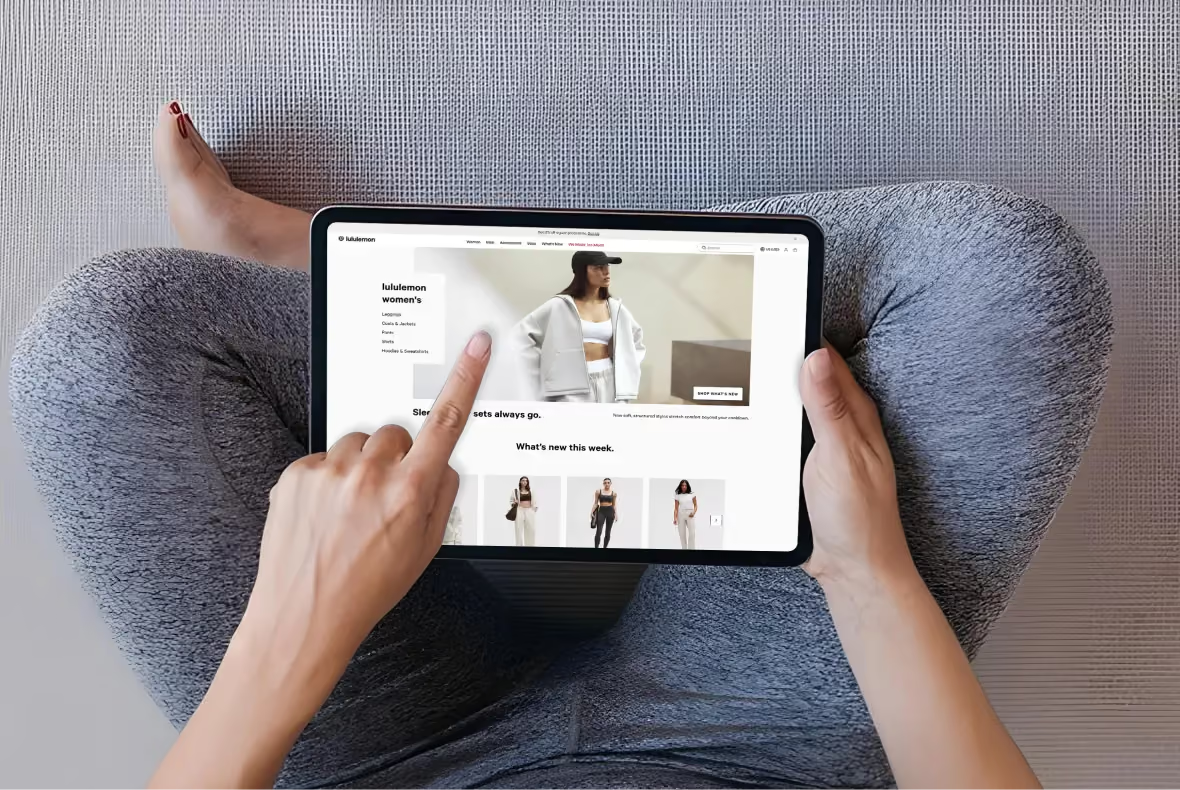
Alongside client projects, we examine how established fashion retailers present and sell their collections. Our independent reviews include SKIMS, Alo Yoga, Lululemon, Snitch and Nicobar.
These audits are research exercises, not client work. They let us assess real storefronts, looking at how product categories are organised, how clearly garment details are explained, and where usability or performance could improve.
A fashion store serving UAE shoppers may need several local adjustments:
- Arabic content and right-to-left page layouts
- Payment options such as BNPL and carefully managed cash on delivery
- Shipping information that reflects delivery coverage across the emirates
- Product details and filters suited to the brand’s categories and audience
These decisions should be built into the project scope early, rather than treated as last-minute additions. The result should feel true to the fashion label while working smoothly for the people shopping with it.
Frequently Asked Questions
What Does an Ecommerce Website Design Agency for Fashion Brands Do?
A fashion ecommerce agency plans the store’s structure, designs its shopping experience and develops the website. Its work may include collection navigation, size and fit information, product photography guidance, outfit recommendations, launch features and returns tools. It should also address mobile usability, site performance and improvements after launch.
What Features Should a Fashion Ecommerce Website Have?
Prioritise intuitive collections, filters for size and colour, accurate stock by variant, detailed fit information and useful customer reviews. Features such as outfit suggestions, back-in-stock alerts and a straightforward exchange process can improve the shopping experience. UAE stores may also need Arabic support, local payment methods and clear delivery information.
How Can a Fashion Website Reduce Returns?
Help customers understand what they are buying before they place an order. Include garment measurements, model height and size, fabric composition, stretch details and consistent product photography. Reviews that explain fit can provide additional context. Analyse return reasons by product and size to identify recurring issues and improve product descriptions or sizing guidance.
Is Shopify a Good Choice for Fashion Brands in the UAE?
Shopify suits many fashion businesses, from emerging labels to established retailers. It supports product variants, collections and seasonal launches, with apps available for reviews, sizing and returns. Larger or more complex operations may benefit from Shopify Plus. Before choosing a setup, check payment compatibility, Arabic support, currency requirements and the apps needed for your operations.
Do UAE Fashion Brands Need an Arabic Website?
Not every brand needs a fully bilingual store; the decision depends on its audience and growth plans. If Arabic is important to your customers, translate the complete shopping journey, including product descriptions, size guides, checkout messages and notifications. Right-to-left layouts should also be tested across mobile and desktop, rather than added as a simple translation layer.
How Much Does a Fashion Ecommerce Website Cost in the UAE?
Pricing varies with catalogue complexity, design customisation, product photography, sizing and returns features, Arabic content and third-party integrations. An adapted theme generally requires less development than a custom store with advanced functionality. Request an itemised proposal that separates design, development, apps, content and ongoing support.
Hi, I’m Rishabh Jain
I believe great digital experiences have the power to shape perception, build trust, and move businesses forward. That belief led me to found Suplex Design Studio, a global digital design and development studio helping FMCG and D2C brands build websites and digital experiences that are strategic, thoughtful, and commercially meaningful.
I started Suplex at 25 with a clear intent, to create digital experiences that look appealing, work seamlessly, and help D2C businesses grow. By 28, the studio had scaled globally, guided by a strong foundation in integrated design that I developed during my academic journey in London, where I was honoured with the Dean’s Award.
Over the years, I’ve had the opportunity to work with 100+ brands, from Fortune 500 organisations to family-run businesses, helping them build websites, e-commerce experiences, and digital products that create clarity, credibility, and long-term value.
Our work has been recognised internationally, including the Manifest Award (2024), the Clutch Global Award (2025), and features across platforms such as The Dieline, Packaging of the World, and the World Brand Design Society.
None of this would be possible without the people behind the work. I’m deeply grateful to the Suplex team, whose commitment, creativity, and attention to detail turn ideas into meaningful digital experiences every day.
At the heart of our work is a simple philosophy, digital design should be intentional, functional, and built to create real business value. That continues to guide everything we create at Suplex.
























Let’s Make It Happen
E-Commerce Success Stories








Build Your D2C Business The Right Way
Build It With Suplex.


