Skincare Website Design Agency in the UAE: What Your Skincare Store Needs

Skincare Website Design Agency in the UAE: What Your Skincare Store Needs
A skincare ecommerce website should do more than sell products. It should help shoppers identify skin concerns, find suitable products, build routines and reorder with ease.
In the UAE, where customers can find the same brands on Noon, Amazon.ae and in pharmacies, your website needs to offer a more personalised experience.
As a Dubai-based ecommerce development agency, we’ve drawn on independent audits of five skincare websites and our Shopify experience in personal care and wellness to explain what your store needs to compete and grow.
Why Skincare Needs a Different Website Strategy Than Makeup or Fragrance
Skincare shoppers are not simply choosing a look or scent. They are looking for solutions to specific skin concerns and need guidance before making a purchase.
A skincare website must help them choose suitable products, understand how to use them together and know when to reorder.
The Purchase Journey: From Product Discovery to Replenishment
Unlike makeup or fragrance, skincare rarely involves a single-product purchase. Customers often need a combination of cleansers, serums, moisturisers and sunscreen to build a consistent morning or evening routine. They also want to know which ingredients suit their skin and whether products work well together.
This makes product discovery, routine building and repeat purchasing central to skincare ecommerce. A basic product catalogue with filters is rarely enough.
Features such as skin assessment quizzes, personalised recommendations and regimen builders can make product selection easier and encourage larger, more relevant baskets.
Why Generic Beauty Website Templates Fall Short
Most beauty ecommerce templates focus on shade selection, fragrance discovery, gift sets and promotional banners.
These features work well for makeup and fragrance but do not address the specific questions skincare shoppers have.
A generic beauty store often leaves customers wondering which serum to choose, how to combine active ingredients or what order to apply products.
If your website cannot answer these questions clearly, shoppers may turn to marketplaces or pharmacies for guidance.
A skincare brand’s website should help customers find suitable products, understand their benefits and choose the right skincare routine.
What Suplex Learned from Auditing Five Skincare Websites
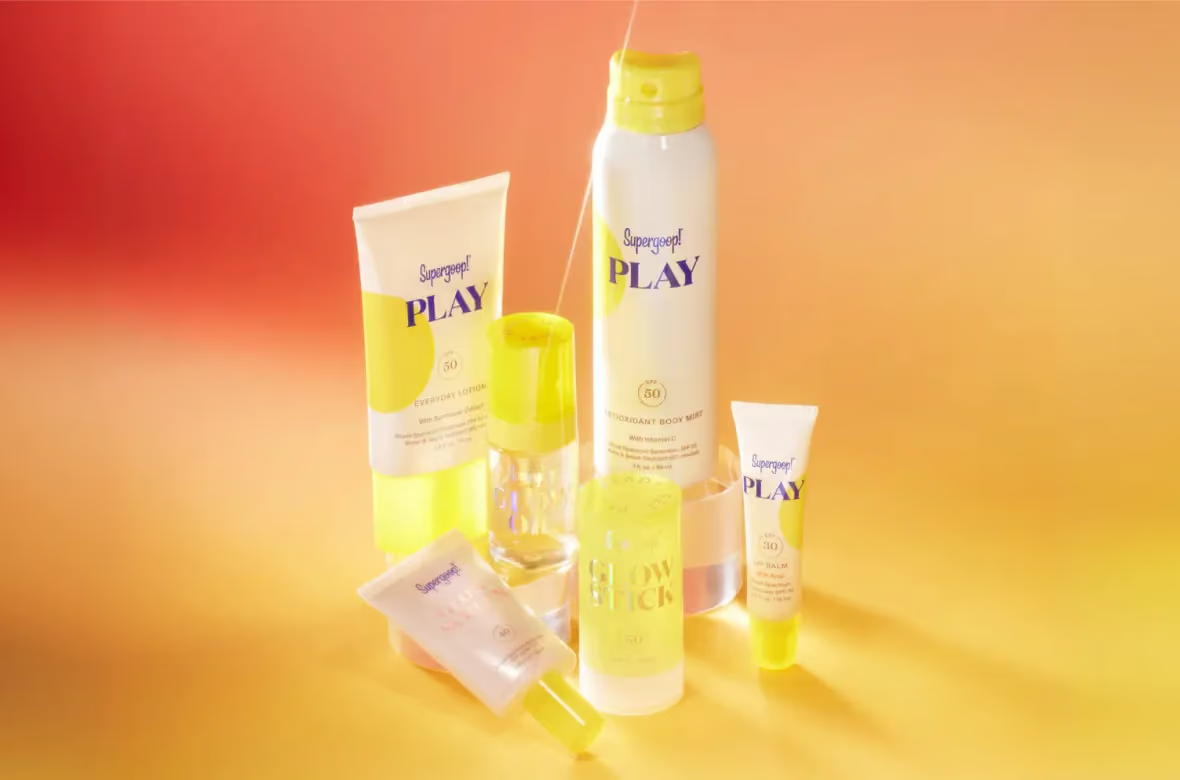
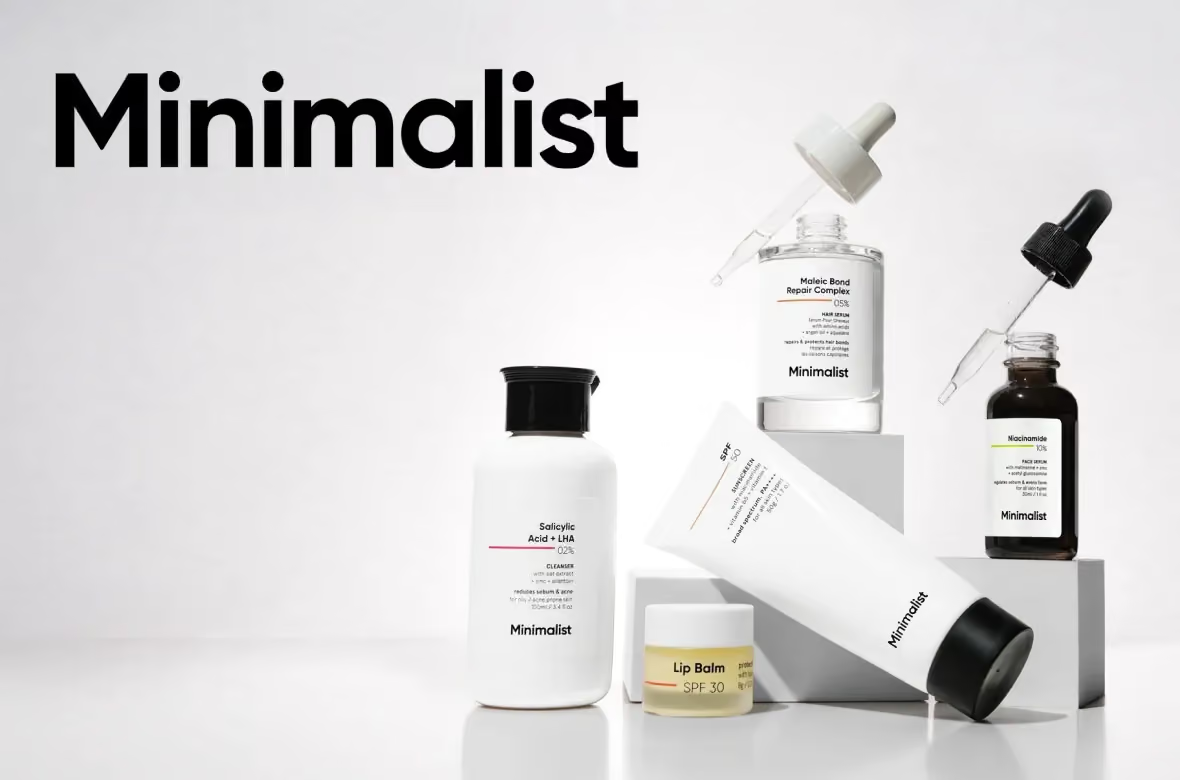
We audited five skincare websites such as The Ordinary, Minimalist, Supergoop, Glow Recipe and Summer Fridays. Each offers useful lessons in product discovery, customer trust and repeat purchases.
We reviewed publicly accessible websites and assigned ratings based on their performance at the time of assessment.
Six important design lessons emerged from these audits.
Pattern 1: Help Customers Identify Their Skin Needs
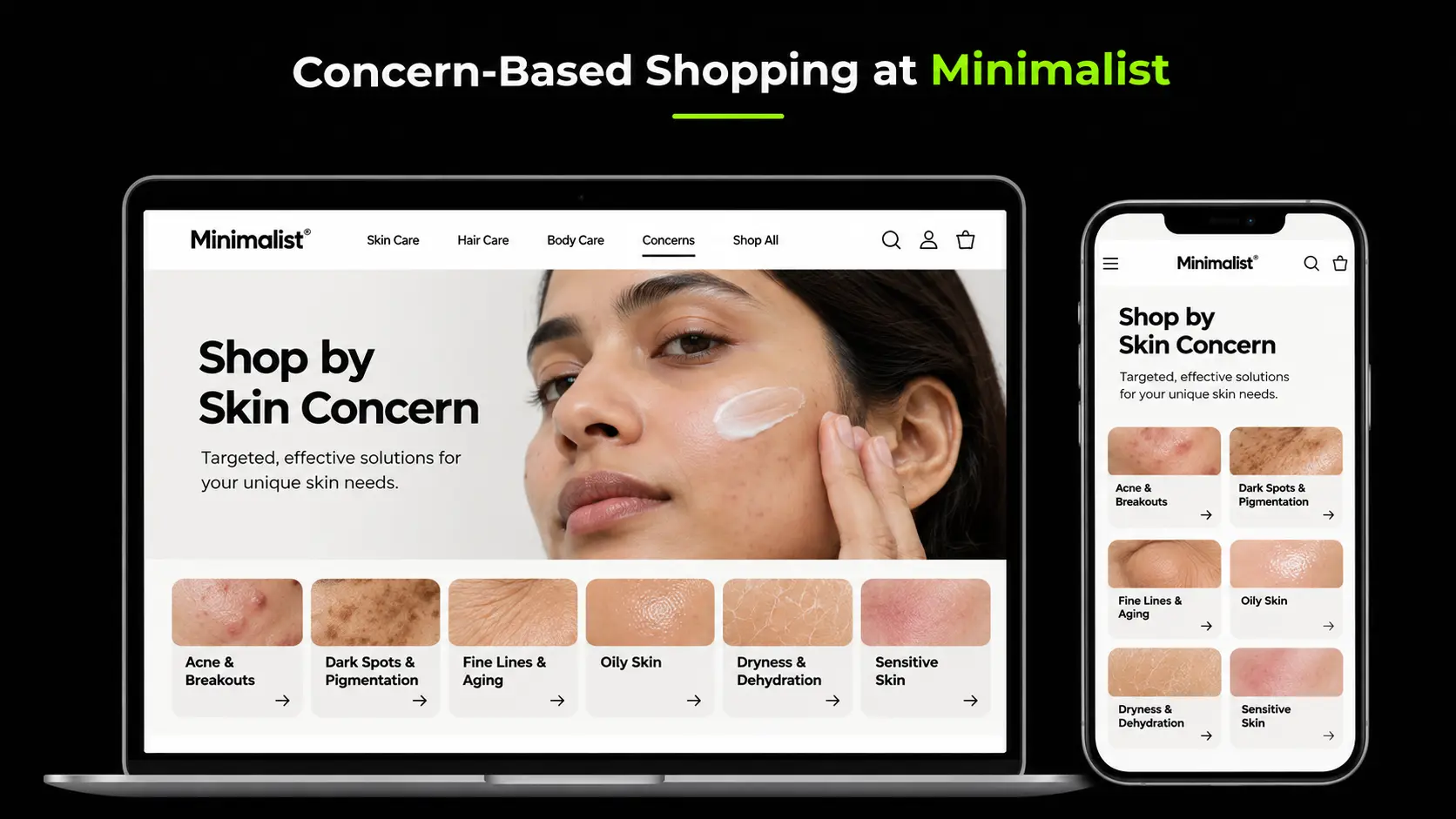
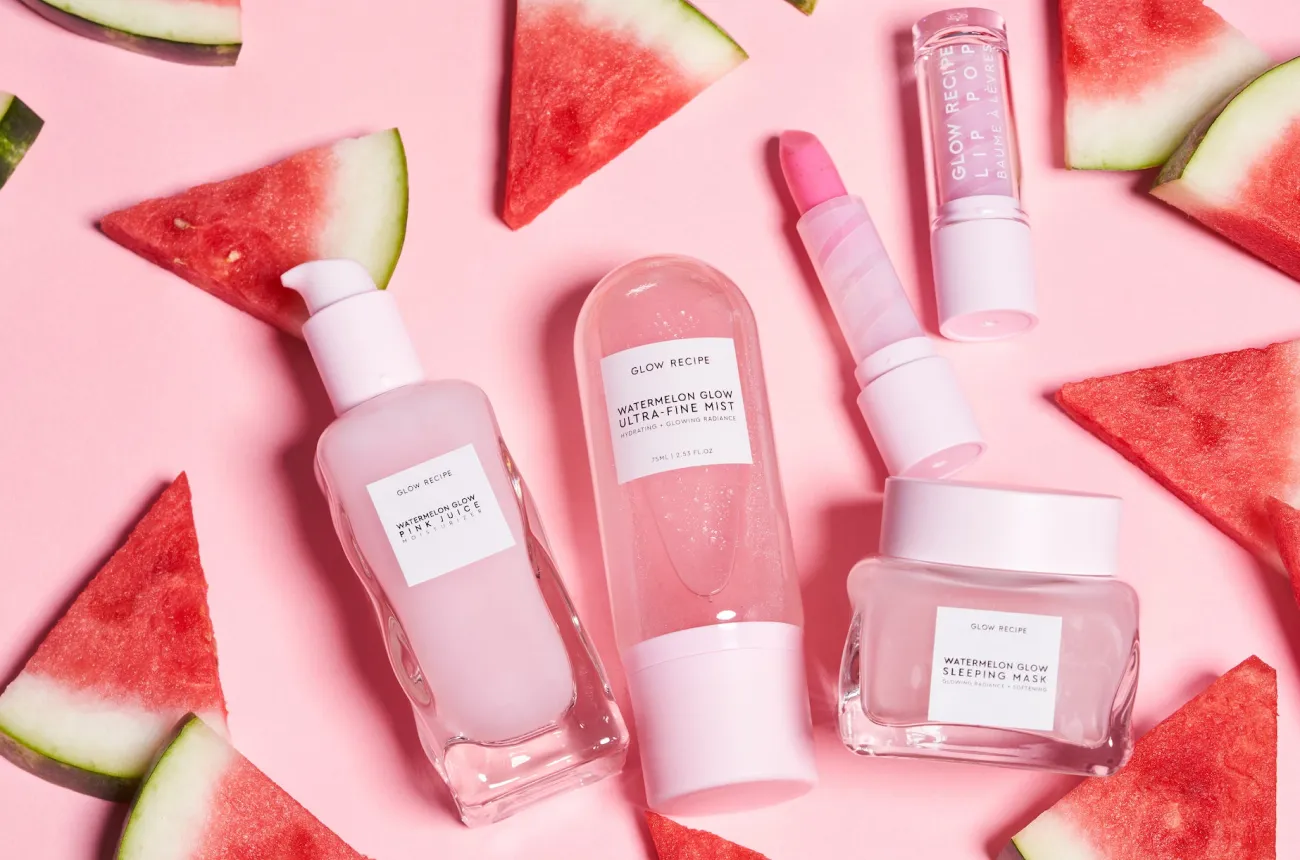
Glow Recipe uses a nine-question skin quiz to recommend products based on individual skin concerns. Minimalist offers SkinInsights, a facial scanner that analyses skin conditions. Supergoop provides a Find Your SPF quiz and an AI assistant to help customers choose suitable sun protection.
The important part is what happens next. Recommendations should help customers build a complete skincare routine rather than simply suggest one product.
Pattern 2: Add Product Compatibility Information
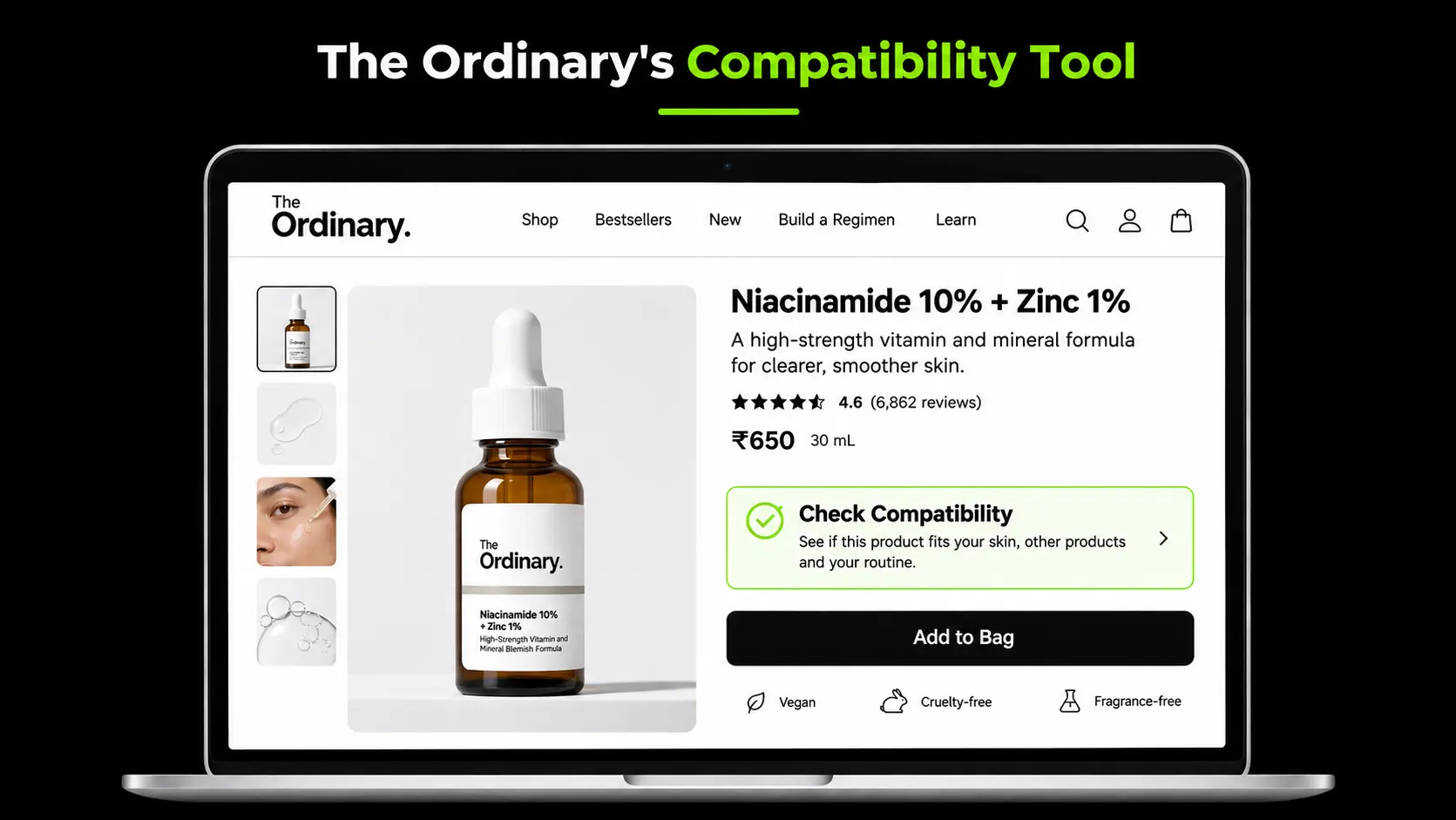
Customers often wonder whether a serum will work alongside their existing products. The Ordinary addresses this through a formulation compatibility checker on its product pages.
This is a valuable opportunity for UAE skincare brands. Marketplaces such as Noon and Amazon.ae can display product details, but your own website can offer more useful guidance on ingredient combinations and product compatibility.
Pattern 3: Support Product Claims with Evidence
Skincare customers want evidence behind claims about hydration, skin texture and other product benefits. Glow Recipe references a consumer study involving 33 participants, while Summer Fridays presents findings from a 39-person study.
Including study details, sample sizes and measurable results makes product claims easier to evaluate. Avoid vague statements such as "clinically proven" without supporting information.
Pattern 4: Make Customer Reviews More Useful
Star ratings alone do not tell the whole story. Customers want feedback from people with similar skin types and concerns.
Glow Recipe allows shoppers to filter reviews by age, skin type and concern. Minimalist adds AI-generated review summaries. These features make customer feedback easier to navigate. Adding verified reviews, customer photos and review counts can further strengthen product credibility.
Pattern 5: Display Ratings on Product Collection Pages
Customers should not have to open every product page to compare ratings. Display star ratings and review counts directly on collection cards so shoppers can evaluate products while browsing.
This is a relatively straightforward Shopify theme improvement that can make product discovery easier without requiring a complete website redesign.
Pattern 6: Make Replenishment and Loyalty Offers Visible
Repeat purchases are important for skincare brands, so loyalty rewards and subscription options should appear where customers make buying decisions.
Minimalist displays a 5% loyalty offer near the product price, while Supergoop promotes a 10% subscribe-and-save option. Glow Recipe also allows customers to redeem loyalty points for specific products.
Placing these incentives near the price and add-to-cart button makes their value clear before checkout.
A high-performing skincare website combines personalised product discovery, ingredient transparency, credible reviews and convenient repeat purchasing. These features give customers a reason to buy directly from your brand rather than turn to a marketplace.

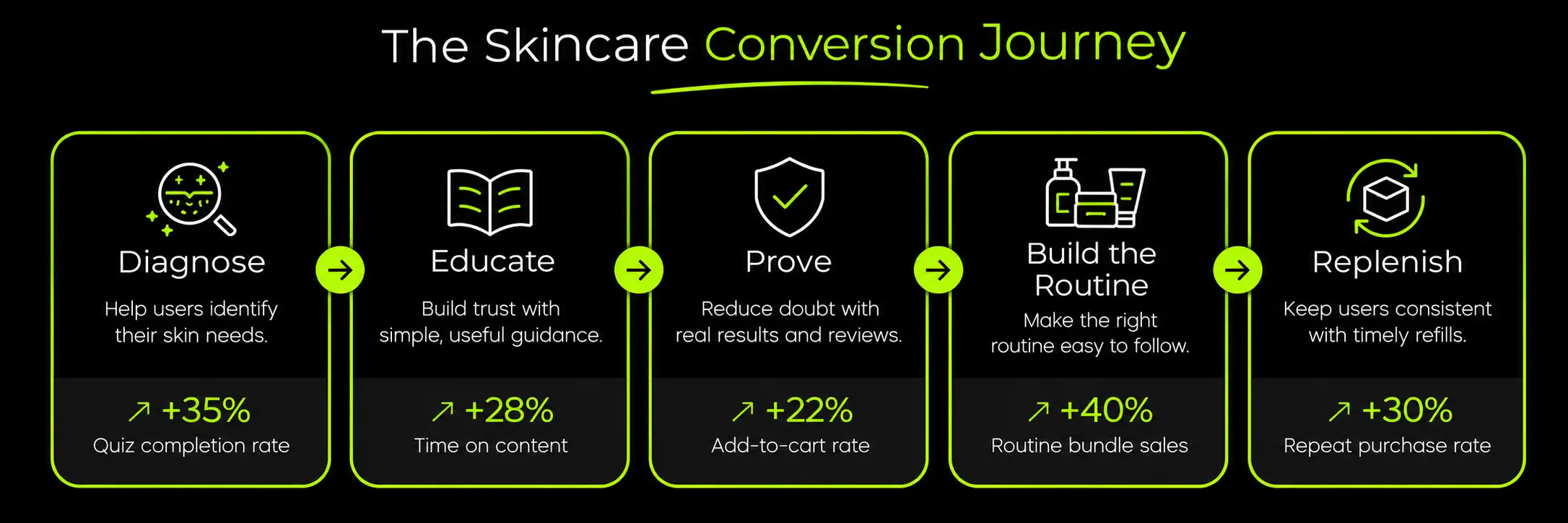
The Skincare Website Framework: Diagnose, Educate, Prove, Build the Routine, Replenish
A high-performing skincare website should guide customers through five stages: understanding their skin needs, learning about products, evaluating their effectiveness, building a routine and replenishing supplies.
This framework helps identify gaps in your ecommerce experience and prioritise improvements based on customer behaviour and business goals.
1. Diagnose: Help shoppers identify their skin concerns through interactive quizzes, shop-by-concern categories and personalised product recommendations. An AI skin scanner can add another layer of personalisation.
For UAE brands, ensure quizzes support both Arabic and English, including right-to-left layouts. Track quiz completion and quiz-to-cart conversion rates.
2. Educate: Provide ingredient guides, skincare glossaries and morning and evening routine recommendations. The Ordinary's O is a useful example of making product education accessible through website navigation.
Offer clear ingredient explanations in both Arabic and English. Measure how education pages contribute to purchases.
3. Prove: Build customer confidence with transparent product information, clinical study results, genuine reviews and before-and-after images where permitted.
Include study details such as sample sizes and let customers filter reviews by skin type and concern. Product demonstration videos can also help, provided they do not affect page speed. Track product page conversions and review engagement.
4. Build the Routine: Encourage customers to purchase complementary products rather than individual items. Add a skincare regimen builder, ingredient compatibility guidance, routine bundles and complete-your-routine recommendations.
Give each product in a kit its own image and clear description. Track average order value and items per order.
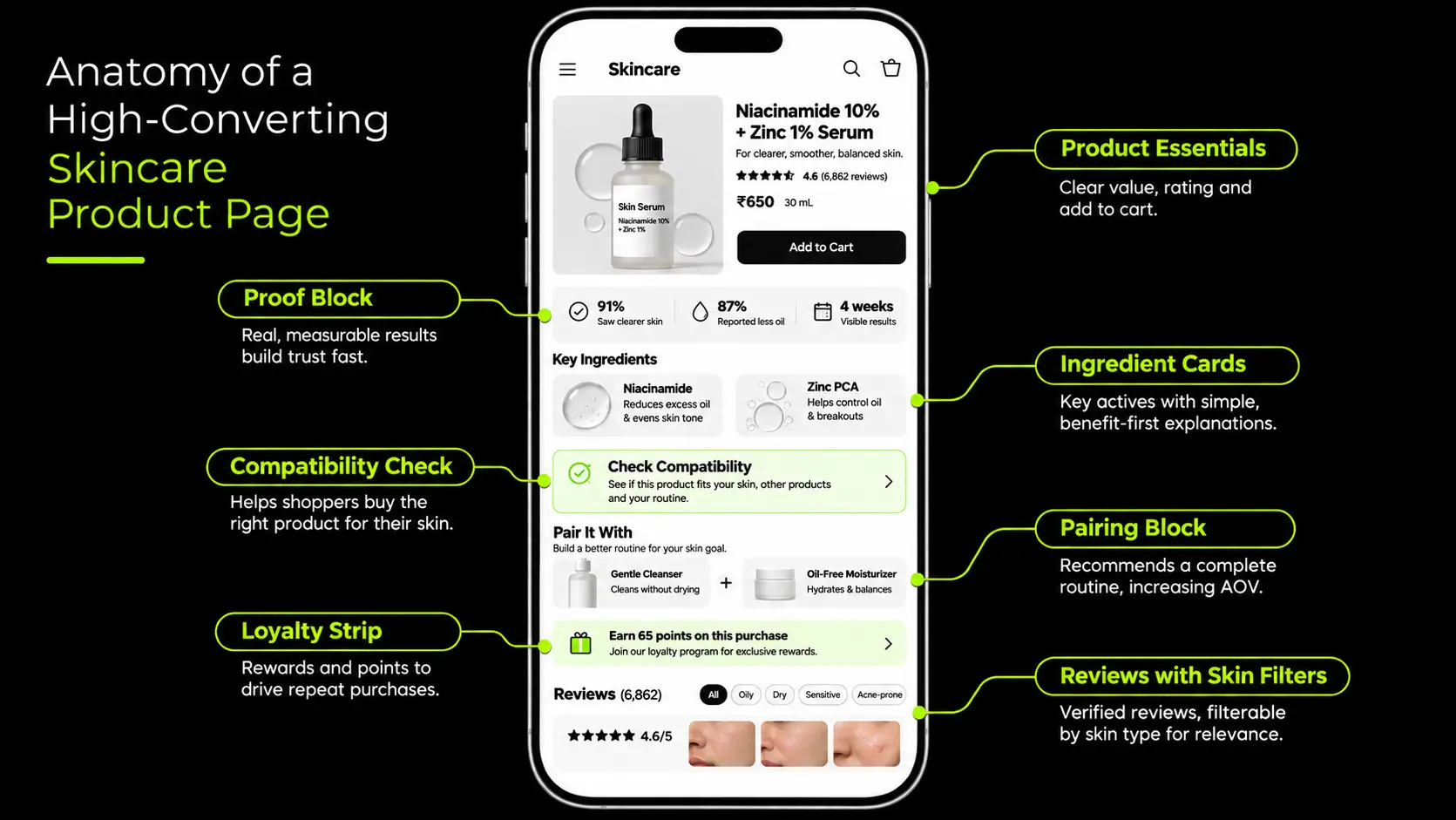
5. Replenish: Encourage repeat purchases through subscriptions, timely replenishment reminders, easy reordering and loyalty rewards.
Set reminders according to product size and estimated usage rather than relying on generic intervals. Display loyalty benefits near product prices and track repeat purchase rates, 90-day customer value and subscription revenue.
The Business Opportunity: Many skincare websites focus heavily on product discovery and education but give less attention to routine building and replenishment.
For UAE skincare brands with healthy website traffic but weak repeat purchases, improving these final two stages can be a valuable starting point.
The UAE Skincare Layer: What Changes When You Sell Skincare Here
Selling skincare in the UAE requires more than adapting a standard beauty ecommerce website. Climate, product registration, bilingual content, diverse customer needs and local payment preferences all influence how your online store should work.
Climate-Led Product Merchandising
The UAE's strong year-round sun and long, hot summers should influence product categories and seasonal campaigns.
Give sunscreen, lightweight moisturisers and products suited to different climate-related skincare needs prominent homepage placement throughout the year.
Features such as Supergoop's sunscreen finish filters, including matte and no-white-cast options, help customers find products that match their preferences. Also consider suitable packaging and clear delivery information for heat-sensitive products.
Product Registration and Claims Compliance
Skincare product information must meet applicable UAE registration and labelling requirements. Dubai Municipality's Montaji system is relevant to cosmetic product registration in Dubai, including products sold through online channels.
Ensure product names, ingredient lists, labels and marketing claims are consistent with approved product information in both Arabic and English.
Pay particular attention to claims such as "clinically proven", "dermatologist tested", "anti-acne" and skin-lightening benefits. Check applicable requirements with Dubai Municipality or a qualified regulatory adviser before publishing claims.
Bilingual Product and Ingredient Education
Arabic support should extend beyond website navigation. Translate ingredient explanations, product instructions, warnings, skin quizzes and customer reviews. The Arabic experience should also support proper right-to-left layouts across mobile and desktop devices.
This requires more than translating website text. Product descriptions, navigation, checkout fields and interactive features must work naturally in both languages. The technical considerations are similar to those involved in building a bilingual Arabic and English ecommerce website in the UAE.
Design for Different Skin Types and Customers
The UAE has a diverse international customer base, so product imagery and customer reviews should reflect different skin tones, types and concerns.
Add review filters for skin type and skin tone where relevant. This helps shoppers find experiences from customers with similar skincare needs rather than relying only on general testimonials.
Local Payments and Repeat Purchases
Make repeat ordering convenient with payment options familiar to UAE shoppers. Consider Apple Pay, cards and buy-now-pay-later services such as Tabby and Tamara, subject to merchant eligibility. If offering cash on delivery, monitor refusal rates and return costs.
Subscriptions and automated replenishment reminders can also help customers maintain their skincare routines.
For brands planning recurring orders, the Shopify subscription setup for skincare brands is an important part of configuring the right purchasing and payment experience.
Give Customers a Reason to Buy Direct
Your website needs to offer more than the same products available on Noon and Amazon.ae. According to Mordor Intelligence, health and beauty specialty stores accounted for 42.20% of UAE distribution in 2025, while online retail is projected to grow at a 5.28% CAGR through 2031.
Build a stronger direct-to-consumer experience with product compatibility tools, personalised skincare routines, exclusive kits, loyalty rewards and clear product authenticity information.
These features give shoppers practical reasons to purchase directly from your brand instead of relying on marketplaces.
A successful UAE skincare website combines local market understanding with product education, regulatory awareness, convenient payments and personalised shopping. These considerations should shape the website architecture and ecommerce functionality from the beginning, not be added after launch.
Platform and Tech Stack for UAE Skincare Brands
Shopify is a practical choice for most UAE skincare brands, particularly those looking for flexible product management, ecommerce integrations and room to scale. However, skincare stores need more than a standard Shopify theme.
They require a structured product data model and specialised tools to support product discovery, ingredient education and repeat purchases.
If you are still deciding between platforms, the differences in customisation, maintenance and scalability are worth considering before development. Shopify vs WooCommerce comparison for UAE cosmetics brands can help clarify which platform suits your business.
For a skincare-specific Shopify build, consider the following:
- Ingredient Data: Use Shopify metafields to organise active ingredients, concentrations, skin types and concerns.
- Product Compatibility: Add rules to identify suitable ingredient combinations and potential conflicts.
- Skin Assessment Quizzes: Recommend products based on customer concerns and preferences.
- Subscriptions: Support recurring orders and flexible replenishment schedules.
- Reviews and Loyalty: Collect reviews with skin-type attributes and reward repeat purchases.
- AI Assistance: Consider an AI shopping assistant to answer product questions and guide discovery.
Plan the ingredient data structure before website design begins. Product filters, recommendation quizzes, compatibility tools and bilingual content will all depend on this information. Poorly structured product data can create additional development work as the store grows.
Performance also needs attention from the beginning. Heavy videos, third-party quiz tools and multiple Shopify apps can affect loading times.
In the Huda Beauty website audit, we recorded a B performance grade and an approximate 2.5-second load time. Set clear Core Web Vitals targets before adding apps and finalising the design.
What a Skincare Website Project Should Include
A skincare website project should deliver more than a customised theme and a launch date. Each development phase should have clear deliverables, from product data planning and website structure to testing and post-launch optimisation.
One phase that deserves particular attention is information architecture and data modelling. These decisions determine how products, ingredients, categories and customer journeys connect across the website. Planning them before visual design reduces rework and makes future features easier to implement.
A clear site structure and page layout are equally important. Information architecture defines how content and products are organised, while wireframing establishes how each page guides shoppers through the buying journey. Together, they provide a stronger foundation for the design and development stages.
How to Choose a Skincare Website Design Agency in the UAE
Evaluate agencies based on their approach to skincare website design, relevant experience and proposed solutions. Use the questions and red flags below to assess their proposals.
8 Questions to Ask a Skincare Agency
These questions force an agency to show its thinking. Vague answers tell you as much as good ones.
- How would you design our skin diagnosis path, and does it end in a product or a routine?
- How will you structure ingredient data so filters, the quiz and compatibility checks use one source?
- How will reviews be tagged so a shopper can find someone with their skin type?
- How will you keep product page claims consistent with our registered product data in Arabic and English?
- What is your replenishment and subscription plan, and which metric will show it works?
- Which skincare sites have you built or audited, and what did you learn?
- What performance targets will you commit to with video and quiz apps installed?
- What happens after launch: review seeding, CRO and seasonal routines?
Red Flags
Some warning signs show up early, often in the first proposal. Watch for these.
🚩The quiz recommends one product with no routine.
🚩Ingredient information is pasted in as text blocks, not stored as structured data.
🚩Arabic is planned "after launch."
🚩There are no performance targets.
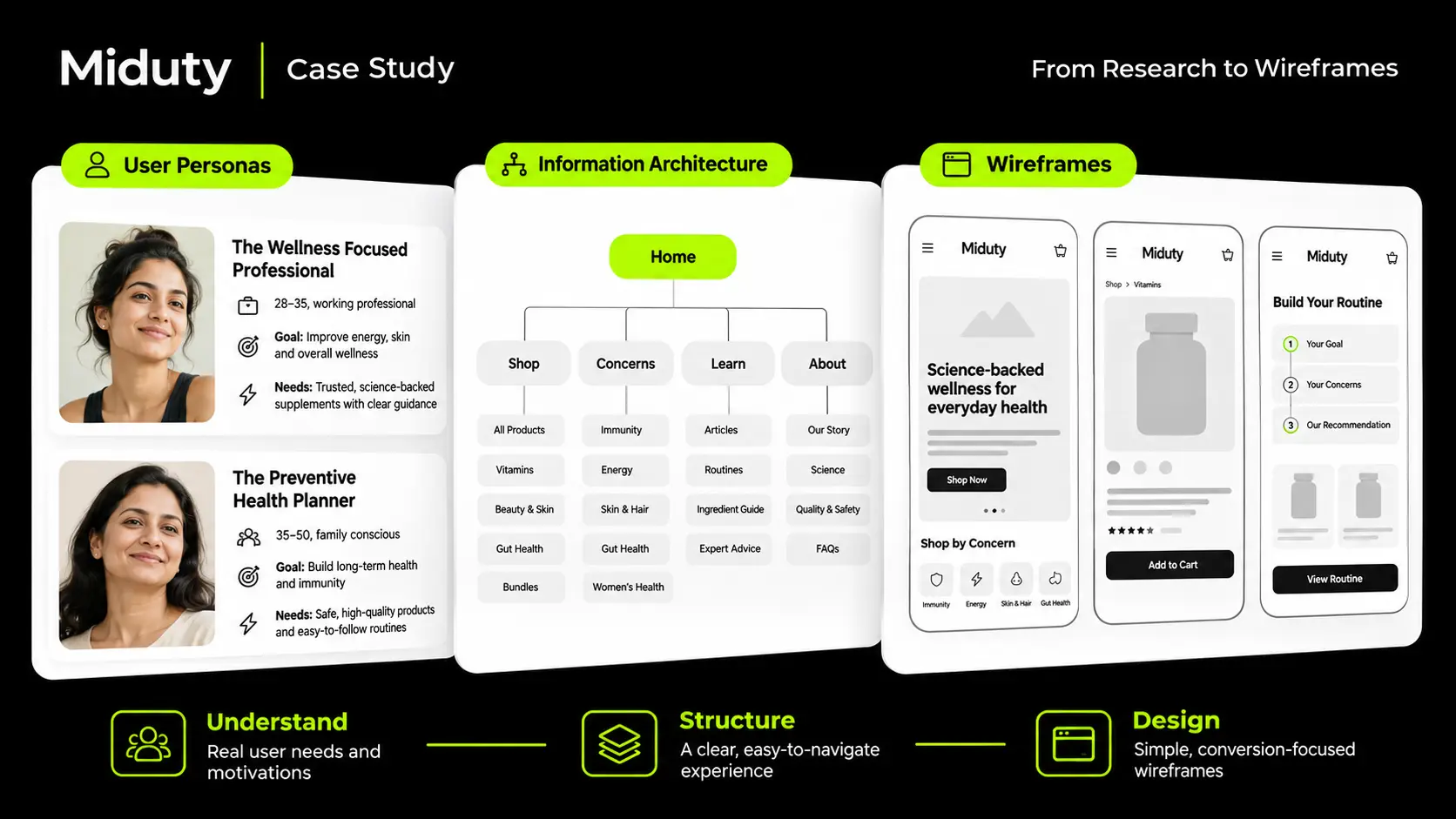
🚩The portfolio shows no personal care or wellness work, and no evidence of process such as personas, IA and wireframes.
Cost and Timeline in the UAE
Cost depends on a handful of choices you control. The timeline depends mostly on how ready your content is.
The cost drivers are SKU count, decision tools, Arabic, subscriptions, photography and video, and whether you adapt a theme or build a custom one.
Template sites are advertised from a few hundred dirhams. A custom skincare build with a quiz, loyalty and bilingual content costs significantly more, so ask every agency for a phase-by-phase quote in AED.
An adapted theme usually takes 6 to 10 weeks. A custom build with a quiz, subscriptions and Arabic takes 10 to 16 weeks. The most common delay is ingredient and claims content, so start it before design begins.
How Suplex Builds Skincare Websites for UAE Brands
Suplex is a Dubai-based Shopify and ecommerce agency in Al Garhoud, working with D2C and FMCG brands. A Shopify, Meta Business and Google Partner, Suplex is led by Rishabh Jain, who has worked with over 100 brands.
Miduty – Personal Care and Wellness:Suplex built Miduty's Shopify website using personal research that identified customer concerns about product promises and trust. These findings shaped the information architecture, wireframes and colour palette.
Tea Culture of the World – Product Discovery : Suplex organised a catalogue of 120 teas, demonstrating an approach to product discovery that also applies to skincare ranges with multiple ingredients and concerns.
Suplex has independently audited brands including The Ordinary, Minimalist, Supergoop, Glow Recipe and Huda Beauty.
- Custom Shopify themes and audits
- Conversion rate optimisation
- Information architecture and mobile-first design
- International ecommerce setup
- AI for Shopify
Internal teams can manage landing pages, reviews and routine merchandising. Specialist support is useful for skin quizzes, structured ingredient data, Arabic integration and product-page redesigns.
Smaller improvements, such as displaying ratings on collection pages, may only require a theme adjustment.
FAQs
What does a skincare website design agency do?
A skincare website design agency plans, designs and builds online stores around how people choose skincare. That includes shopping by concern and ingredient, skin quizzes, regimen builders, ingredient education, reviews filtered by skin type, and subscriptions for refills. In the UAE, a good agency also handles Arabic content, AED pricing, local payment options and product information that stays consistent with registered claims.
How much does a skincare website cost in the UAE?
Cost depends on catalogue size and the tools you need, such as a quiz, regimen builder or compatibility logic. Arabic, subscriptions, photography and the choice between an adapted and a custom theme also change the budget. Template sites are advertised from a few hundred dirhams, while a custom Shopify skincare store with a quiz, loyalty and bilingual content is a larger project. Ask each agency for a phase-by-phase AED quote.
Do skincare products need Dubai municipality registration to be sold online?
Generally yes. Cosmetics and personal care products sold in Dubai are registered through Dubai Municipality's Montaji system, whether they are sold on your own website, Noon or Amazon.ae. Requirements depend on the product, so confirm current rules with Dubai Municipality or a qualified adviser. On the website, keep names, ingredients and claims consistent with what was registered, in English and Arabic.
Is Shopify good for skincare brands in the UAE?
Shopify suits most UAE skincare brands. It supports subscriptions, review apps with skin-type attributes, quizzes, loyalty programmes, metafields for ingredient data and multi-currency selling through Shopify Markets. Check payment gateway eligibility for your business before committing. Choose a theme that handles Arabic right-to-left layouts, and test every app in the regimen journey in Arabic.
Does a skincare website need a skin quiz?
Not always, but most catalogues with more than a handful of products benefit from a guided path. A short quiz that maps skin type and concern to a routine helps first-time visitors who do not know where to start. In our audits, Glow Recipe runs a roughly nine-question quiz and Supergoop runs a Find Your SPF quiz. The quiz should end in a routine, not a single product.
Hi, I’m Rishabh Jain
I believe great digital experiences have the power to shape perception, build trust, and move businesses forward. That belief led me to found Suplex Design Studio, a global digital design and development studio helping FMCG and D2C brands build websites and digital experiences that are strategic, thoughtful, and commercially meaningful.
I started Suplex at 25 with a clear intent, to create digital experiences that look appealing, work seamlessly, and help D2C businesses grow. By 28, the studio had scaled globally, guided by a strong foundation in integrated design that I developed during my academic journey in London, where I was honoured with the Dean’s Award.
Over the years, I’ve had the opportunity to work with 100+ brands, from Fortune 500 organisations to family-run businesses, helping them build websites, e-commerce experiences, and digital products that create clarity, credibility, and long-term value.
Our work has been recognised internationally, including the Manifest Award (2024), the Clutch Global Award (2025), and features across platforms such as The Dieline, Packaging of the World, and the World Brand Design Society.
None of this would be possible without the people behind the work. I’m deeply grateful to the Suplex team, whose commitment, creativity, and attention to detail turn ideas into meaningful digital experiences every day.
At the heart of our work is a simple philosophy, digital design should be intentional, functional, and built to create real business value. That continues to guide everything we create at Suplex.






















Let’s Make It Happen
E-Commerce Success Stories









Build Your D2C Business The Right Way
Build It With Suplex.


